

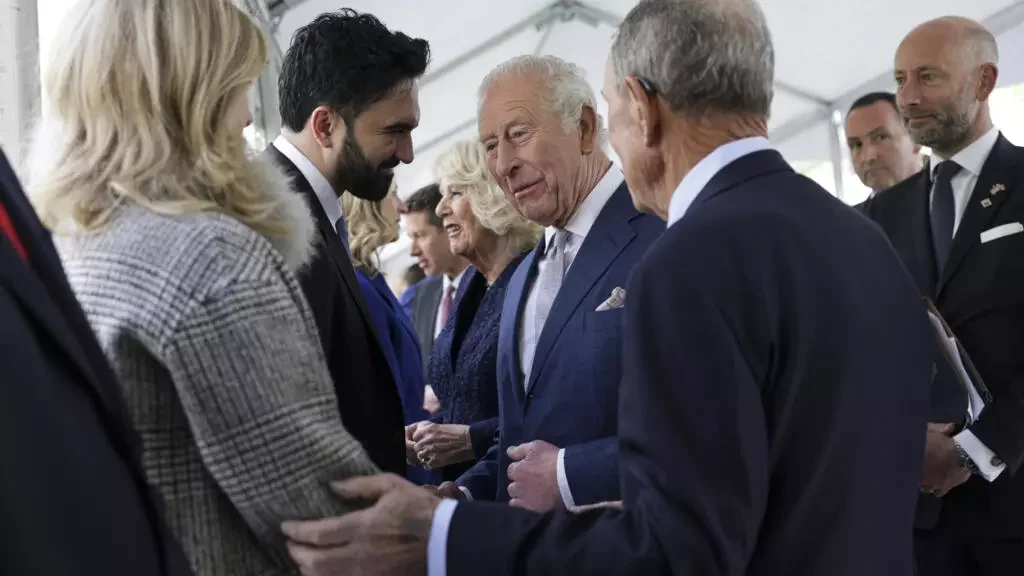
Mamdani King Charles Meeting: NYC Mayor Demands Return of Koh-i-Noor Diamond
Mamdani King Charles Meeting Sparks Global Debate Over Britain's Crown Jewel

During the much-talked-about Mamdani King Charles meeting in New York City, Mayor Zohran Mamdani boldly called on the British King to give back the legendary Koh-i-Noor diamond — a gem taken from the Indian subcontinent by the British Empire in the 1800s. The moment grabbed headlines around the world and reignited a centuries-old debate about colonial loot and justice.
Before the two came face to face at a moving 9/11 memorial event at Ground Zero, Mamdani was asked what he would say to King Charles if given the chance. His answer was clear and direct. He said he would encourage the King to return the Koh-i-Noor diamond. He was quick to add, though, that his main focus at the event was to honor the lives lost in the September 11 terror attacks.
Whether Mamdani actually brought up the diamond during their brief meeting is not fully confirmed. However, cameras did catch the King and the mayor laughing together and sharing a warm, friendly handshake — leaving the world wondering what was really said.
What Exactly Is the Koh-i-Noor Diamond?
The Koh-i-Noor is one of the most famous and controversial diamonds in human history. Weighing a stunning 106 carats, it sits at the very heart of Britain’s Crown Jewels. Today, it rests inside the Tower of London, placed on the Crown of Queen Elizabeth the Queen Mother, where millions of visitors admire it every year.
But its journey to London was anything but peaceful. Over the centuries, this precious stone passed through the hands of powerful Mughal emperors, Iranian shahs, and Sikh maharajas. It finally ended up with the British when the Kingdom of Punjab handed it over to Queen Victoria in 1849 — as part of a forced peace agreement.

Which Countries Want the Diamond Back?
India has been the loudest voice demanding the return of the Koh-i-Noor, making repeated requests to Britain — all of which have been turned down so far. But India is not alone. Afghanistan, Iran, and Pakistan have also raised claims to the gem, each pointing to different chapters in its long and complicated history.
While experts widely agree the diamond was originally mined in India, what happened to it after that is a colorful mix of history, legend, and debate.
Britain’s Strong Response
Not everyone welcomed Mamdani’s comments. A politician from the Reform UK party — known for its tough stance on immigration — fired back quickly. The party’s home affairs spokesman, Zia Yusuf, called the mayor’s words an insult to the King. He posted on X, making it very clear that the diamond is on display in the Tower of London and that is exactly where it will stay.
This was not just a political moment. It was a cultural flashpoint. The Koh-i-Noor diamond is more than just a pretty stone — it is a symbol of empire, power, and a painful colonial past. When a sitting mayor of one of the world’s greatest cities looks a British king in the eye and asks for it back, it sends a message far louder than words.
The conversation around returning cultural treasures and colonial-era artifacts is growing stronger every day, not just in politics but in museums, universities, and communities across the globe.
Comments are closed, but trackbacks and pingbacks are open.