

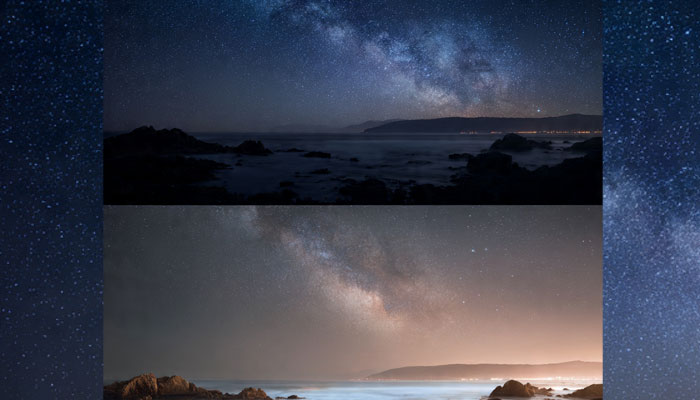

“Not all pollution is visible in the day—some quietly steals the beauty of the night.”
Light pollution is a growing environmental problem caused by excessive, misdirected, or unnecessary artificial light. Time. As a result, the natural darkness of the night sky is slowly disappearing . It is most common in urban areas where streetlights, buildings, billboards, and vehicles keep the environment روشن even during night.
There are several types of light pollution. Glare is the excessive brightness that causes visual discomfort. Skyglow is the brightening of the night sky over cities, making it difficult to see stars. Light trespass occurs when unwanted light enters homes or natural habitats. All these forms disturb the natural balance of the environment.
Light pollution has serious effects on human health. Artificial light at night can disturb our sleep cycle (circadian rhythm), leading to stress, fatigue, and other health problems. People living in highly lit areas often suffer from poor sleep quality.
Wildlife is even more affected. Many animals depend on natural darkness for survival. Nocturnal animals become confused, birds lose their migration paths due to bright city lights, and insects are attracted to artificial lights, which disrupt the food chain. Sea turtles, for example, can lose their direction because of artificial lighting near beaches.

Plants are also influenced by light pollution. Artificial light can disturb their natural growth cycles and flowering patterns, affecting ecosystems in the long run.
Environmental Biology helps us understand how such human activities interfere with natural systems. It also guides us toward sustainable solutions.
To reduce light pollution, we can:
Use energy-efficient and low-intensity lights
Install lights that face downward
Turn off unnecessary lighting
Promote awareness about this issue conclusion, Light pollution is a silent but dangerous environmental problem. It not only hides the beauty of the night sky but also harms living organisms and ecosystems. Protecting natural darkness is essential for maintaining balance in nature and ensuring a healthier future.
UME KALSOOM
Botany
Govt girls degree college no1 DIKHAN
Comments are closed, but trackbacks and pingbacks are open.