

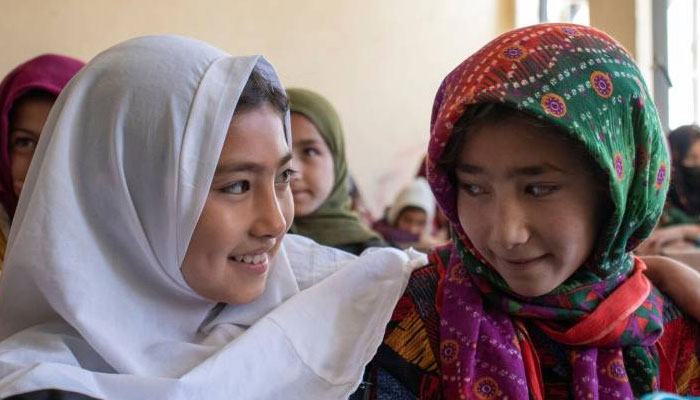

KABUL: (News Desk) – A new study by Germany-based Anar Academy has found that many Afghan girls are turning to online education, private courses and self-study to continue learning despite restrictions imposed on girls’ education since the Taliban returned to power in 2021.
Titled “Denied the Right to Learn,” the study was released to coincide with International Literacy Day on September 8. It is based on responses from more than 2,600 Afghan girls and young women, with most participants living inside Afghanistan. Around 96% of respondents came from 30 provinces, while some participants were based abroad.
The findings show that many girls have continued pursuing education through alternative means rather than abandoning their studies. Around 42% said they had enrolled in private courses, language classes or skills-training programmes, while approximately 34% reported using online or digital learning. Nearly 27% said they had relied on self-study or learning at home.
However, more than 17% of respondents said their education had been interrupted or completely halted for a period.
The report noted that alternative education provides an important way for Afghan girls to keep learning, but such opportunities are often informal, inconsistent and disconnected from recognised academic systems. Private and online courses may help students maintain their skills, but they do not always provide recognised qualifications, university admission or a clear route to higher education.

Digital access was relatively high among those surveyed, with more than 95% reporting access to a smartphone or laptop. About 51% described their internet connection as good, while nearly 40% rated it as excellent. Anar Academy cautioned that the survey does not represent the experiences of all girls across Afghanistan.
The study also found that the desire to pursue education remains strong. Many participants said they hoped to complete their schooling, attend university, secure employment and achieve financial independence.
The report further examined the social and psychological impact of prolonged exclusion from schools and universities. It said being deprived of education can disrupt daily routines, limit interaction with classmates and heighten concerns about the future. However, the researchers stressed that the study was not designed to diagnose mental health conditions such as depression or anxiety.
At the launch of the report, Anar Academy head Benazir Poya said alternative forms of learning should not be considered a replacement for formal education. She said informal learning can help preserve hope, but cannot restore girls’ fundamental right to education.
The findings were presented during an online event hosted by the International Society for Human Rights in cooperation with Anar Academy, where education and human rights experts discussed restrictions on Afghan girls’ education and their wider consequences.
Founded around two years ago in Cologne, Germany, Anar Academy works to provide digital learning opportunities to girls in Afghanistan who have been deprived of access to formal schooling.
Comments are closed, but trackbacks and pingbacks are open.