

Pakistan’s Major Oil Refineries Sign Long-Awaited $6 Billion Modernisation Deal
Four Refining Giants Commit to $6 Billion Modernisation Push for Cleaner Fuels

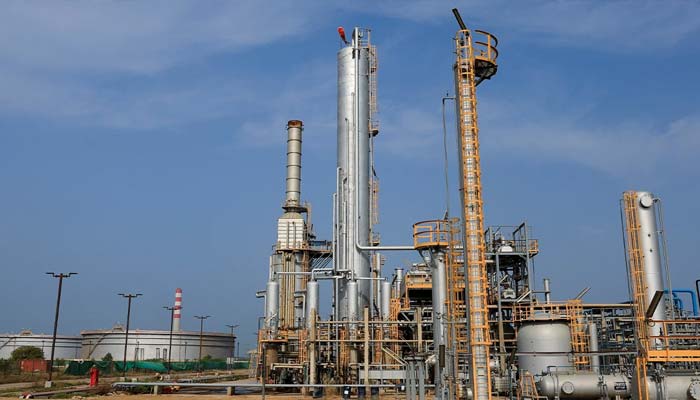
Pakistan – (Staff Reporter/Web Desk) – Pakistan’s major oil refineries have finally signed long-pending upgradation agreements, opening the door to nearly $6 billion in fresh investment. The deal aims to modernise the country’s aging refining plants and bring cleaner Euro-V fuel standards to local pumps.
Four big names led the signing ceremony on Thursday. Attock Refinery Limited, National Refinery Limited, Cnergyico Pakistan Limited, and Pakistan Refinery Limited all put pen to paper. Parco, the country’s largest refinery, is expected to join the list soon.
This move has been years in the making. Industry leaders say it will cut down furnace oil output, a fuel type that pollutes more and offers less value. In its place, refineries will produce more locally made fuel that meets modern quality standards.
The bigger goal here is simple. Pakistan wants to rely less on imported fuel. Every barrel refined at home is one less dollar spent abroad. Experts believe this shift could save the country close to $1.5 billion every year in foreign currency.
That kind of saving matters a lot right now. Pakistan has struggled with tight dollar reserves for years. Cutting fuel import costs could ease pressure on the rupee and give the economy some breathing room.
Adil Khattak, who heads Attock Refinery Limited, called this a long journey finally reaching its destination. He also chairs the Energy Committee at the Overseas Investors Chamber of Commerce and Industry, so his voice carries weight in energy policy circles.

According to Khattak, the story starts back in December 2019. That’s when the first draft of Pakistan’s Refining Policy was written. It took until August 2023 for the policy to get formal approval. Even after that, more changes and delays followed before today’s signing became possible.
Khattak also pointed out something important. Recent global tensions have changed how Pakistan views its own refineries. They’re no longer seen as just business ventures. Now, they’re viewed as a strategic asset, something the country needs for its own energy security.
He gave credit where it was due. Federal Minister for Petroleum Ali Pervaiz Malik played a key role in pushing this deal across the finish line. His team at the Petroleum Division, along with other government offices, worked to clear the last remaining hurdles.
Khattak didn’t hold back his praise either. He called the minister’s leadership passionate and persistent, saying it turned a policy stuck on paper into something real and working.
For everyday Pakistanis, this news might not sound exciting at first glance. But cleaner fuel means less pollution in cities already struggling with smog. It also means more stable fuel supply, since local refining reduces dependence on imports that can be delayed or disrupted.
The energy sector has waited nearly seven years for this moment. Now that the ink is dry, attention turns to execution. How fast these refineries can upgrade their plants will decide how soon Pakistan actually feels the benefits, both at the pump and in the economy.
Comments are closed, but trackbacks and pingbacks are open.