

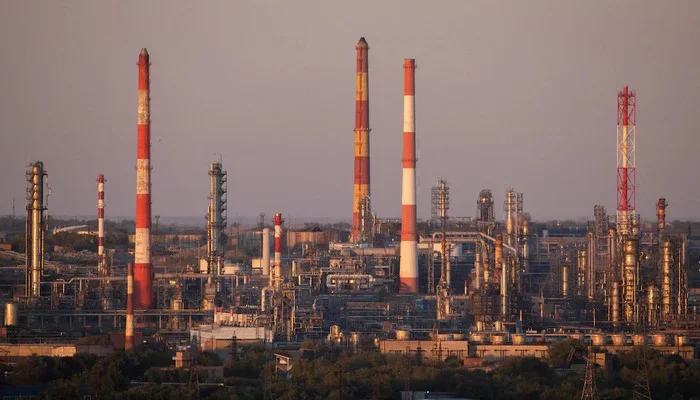
Pakistan Refinery Losses April 2026 Cross Rs24bn Amid Diesel Pricing Dispute
Pakistan refinery losses April 2026 expose a deepening crisis as capped diesel margins, rising import costs, and unresolved policy gaps push the country's refining sector to the edge.

Pakistan – (Web Desk) – Pakistan refinery losses April 2026 have become one of the most alarming stories in the country’s energy sector this year. In just one month, Pakistan’s four major oil refineries together lost around Rs24 billion — a staggering blow that has shocked industry officials and raised urgent questions about the government’s diesel pricing policy.
Just a few months ago, these same refineries were actually making money — their first real profits in nearly five years. But a sudden change in how diesel prices are calculated has completely reversed that recovery. Now the sector is bleeding billions every week, and experts warn things could get much worse if the situation is not fixed quickly.
The Diesel Cap That Is Hurting Refineries
At the heart of the problem is a single number: $41.5 per barrel. This is the government’s fixed cap on what is called the diesel “crack spread” — the profit a refinery earns by turning crude oil into diesel. Starting April 1, 2026, refineries are only being paid based on this capped figure, no matter what the real market shows.
The problem? Real-world market data tells a very different story. As of April 30, 2026, the actual crack spread in the market was closer to $60 per barrel. Crude oil was trading near $110 per barrel, while diesel was priced at around $160 per barrel internationally. Yet refineries are being compensated as if that gap is only $41.5 — nearly $20 less than reality.
Industry insiders say the government’s figure is simply not connected to the actual cost of doing business. “The $41.5 per barrel crack being quoted is not real — it is a notional number,” one refinery official said. “When you factor in the true cost of getting crude oil to Pakistan — including shipping charges, price premiums, and war risk insurance — the effective margin is far lower than what the government claims.”
The Hidden Costs the Government Is Ignoring
Refineries say the government’s pricing formula is leaving out some very real and unavoidable expenses. When Pakistan imports crude oil, the cost does not stop at the published market price. There are several additional charges that refineries must absorb:
Freight charges: The cost of physically shipping crude oil to Pakistan’s ports adds considerably to the delivered price.
Price premiums: Oil suppliers charge extra on top of the base market rate, especially during periods of tight global supply.
War risk insurance: Because of ongoing tensions in the region, the cost of insuring oil shipments has gone up significantly and cannot be ignored.
5% customs duty: The government charges a 5% import duty on crude oil but only allows refineries to recover between 2.5% and 3% of that through a special diesel duty mechanism. The rest comes directly out of the refinery’s own pocket.
Pakistan State Oil (PSO), the government-owned oil company, is currently importing diesel at $160 to $170 per barrel — with an extra premium of around $40 per barrel because of geopolitical risks. PSO has been compensated through an increase of Rs28 per litre in the Inland Freight Equalisation Margin (IFEM). But refineries say no similar relief has been extended to them, even though they face exactly the same rising import costs.
Week-by-Week: How the Losses Piled Up in April
The financial damage in April 2026 was not gradual — it hit hard from the very first week. Here is how the losses broke down across Pakistan’s four refineries combined:
April 4–10: Rs7.1 billion in losses April 11–17: Rs8.5 billion in losses — the worst single week April 18–24: Rs6.6 billion in losses April 25–30: Rs2 billion in losses
Total: Rs24 billion lost in just 30 days.
To put this in perspective, Pakistan Refinery Limited (PRL) had earned about Rs10 billion in profit in March 2026 alone. By April, that figure had collapsed to just Rs0.5 billion — and May is expected to bring outright losses for the company.
It Is Not Just Diesel — Other Products Are Hurting Too
Diesel is the biggest issue, but it is far from the only one. Pakistan’s refineries are also struggling with the economics of their other fuel products.

Petrol margins are sitting at a thin $9 per barrel — barely enough to make the process worthwhile.
Furnace oil margins are deeply negative at around minus $40 per barrel. This means refineries actually lose money on every single barrel of furnace oil they process or sell into the market.
On top of all this, a sales tax exemption introduced in the FY2025 government budget is costing refineries and oil marketing companies around Rs35 billion per year. This exemption was added as a consumer relief measure but has ended up placing a massive and ongoing financial burden on the very companies that produce and distribute fuel across the country.
What the Government Says
Federal Minister for Petroleum and Natural Resources, Ali Pervaiz Malik, has defended the new pricing formula, stating clearly that it has the full backing of the International Monetary Fund (IMF). He acknowledged that refineries faced losses in April after being profitable in March, but said the government is actively making efforts to support the sector.
The minister pointed out that refineries themselves voluntarily contributed around Rs7.1 billion from their March profits to help PSO cover losses on diesel imports. He also noted that even when refineries earn large profits, a substantial portion flows back to the government. In one cited example, a refinery that earned Rs70 billion handed Rs30 billion directly to the national treasury — and much of the remaining amount was later collected through dividends.
Why Refineries Agreed to This Deal in the First Place
Refinery officials are keen to stress that they agreed to the capped pricing formula voluntarily — and they did so specifically in the national interest. During a period of regional tension and economic pressure, they chose to keep selling diesel domestically at reduced margins rather than exporting it internationally where they could have earned significantly more.
“We could have exported diesel and made far more money on global markets,” one senior refinery official explained. “Instead, we kept domestic supply stable and accepted margins that were less than half of what we could have earned internationally — and we agreed to do this for a temporary three-month period only.”
What the sector is asking for now is simple fairness. If PSO is compensated through higher transport cost allowances for the same rising import expenses, refineries argue they deserve similar treatment. Officials believe that if the IFEM adjustment currently applied to PSO were extended to local refineries as well, the sector could return to profitability — without any increase in consumer fuel prices.
Years of Neglect and Policy Confusion
The current crisis does not exist in isolation — it is the result of long-standing structural problems. Energy experts point out that from 2002 to 2021, Pakistan’s oil refineries were largely left without consistent government support. Constantly changing pricing policies over the years created deep uncertainty that discouraged both local and foreign investment in the sector.
As a result, no major new refinery has been built in Pakistan during that entire period, and upgrades to existing facilities have moved slowly due to concerns about policy reliability and return on investment. Key listed companies including National Refinery Limited (NRL), Cnergyico (CPL), and Pakistan Refinery Limited (PRL) — all of which rely heavily on imported crude oil — reported significant losses over much of the past decade.
The profitable first nine months of fiscal year 2025–26 were widely seen as a genuine turning point — the first real recovery in nearly five years. That hard-earned progress is now at serious risk of being wiped out.
Why This Matters Beyond Business: Energy Security
Energy experts are raising the alarm not just about company finances, but about Pakistan’s broader energy security. Local refineries are not simply private businesses chasing profits — they are a critical part of the country’s fuel supply chain. During recent periods of regional instability, it was these domestic refineries that ensured Pakistanis continued to receive petrol and diesel without major shortages or supply disruptions.
If refineries are pushed to cut production or suspend operations due to financial pressure, Pakistan would become far more dependent on imported fuel — at a time when those imports are already extremely expensive due to regional conflicts and war-related risk premiums. The consequences for everyday consumers and the broader economy could be severe and long-lasting.
What Happens Next?
Pakistan refinery losses April 2026 have made one thing unmistakably clear: the current pricing arrangement is not working for the refining sector. Whether the government adjusts the diesel crack cap, extends IFEM relief to refineries, or revisits the customs duty recovery mechanism, some form of meaningful corrective action appears both necessary and urgent.
The refineries have shown genuine goodwill by accepting lower margins to protect Pakistani consumers during a difficult period. What the sector now needs in return is an honest recognition of real costs — and a policy framework that allows it to remain financially healthy while continuing to serve the country’s energy needs.
The coming weeks will be critical. If losses in May exceed those seen in April, pressure on the government to act will grow considerably — and the long-term future of Pakistan’s domestic refining industry may well depend on the decisions made in the very near future.
Comments are closed, but trackbacks and pingbacks are open.