

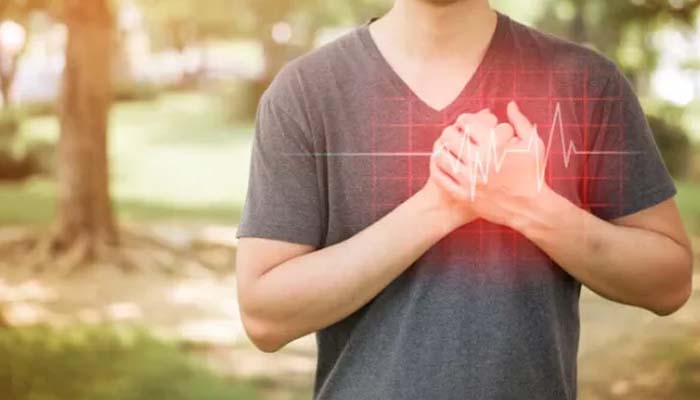
Overeating During Celebrations May Increase Heart Risks, Experts Warn
Can Overeating During Celebrations Trigger Heart Problems? Experts Explain

ISLAMABAD: (News Desk) – Indulging in fried foods, rich meals and desserts during celebrations is common, but overeating may place additional strain on the heart, particularly among people with existing cardiovascular conditions, high blood pressure or diabetes, health experts warn.
According to a report published by Jang, consuming a large meal increases the digestive system’s demand for blood, requiring the heart to work harder. While most healthy people can manage these changes, individuals with narrowed coronary arteries may be more vulnerable to complications.
However, overeating on a single occasion does not automatically cause a heart attack. Most heart attacks occur when blood flow to the heart muscle becomes blocked, commonly due to a blood clot forming over a plaque in a coronary artery. A heavy meal may add physiological stress in susceptible individuals.
How Rich and Salty Foods Affect Heart Health
Regular consumption of foods high in saturated fats, salt and refined carbohydrates can contribute to poor cardiovascular health over time.
Excessive salt intake may cause fluid retention and raise blood pressure, particularly in people with hypertension or heart failure. Excessive alcohol consumption can also increase blood pressure and trigger irregular heart rhythms in some individuals.
Other factors, including dehydration, prolonged fasting followed by a heavy meal and strenuous physical activity immediately after eating, may cause discomfort or place additional demands on the body.
Heart Attack or Indigestion: Recognising the Difference
Bloating, acid reflux, nausea and fullness are common after eating too much. However, heart attack symptoms can sometimes resemble indigestion, making it dangerous to dismiss chest discomfort as gas or acidity.
Warning signs may include chest pressure or tightness, pain spreading to the arms, back or jaw, shortness of breath, cold sweats, dizziness, sudden weakness and nausea. Symptoms can vary, and some people may experience little or no chest pain.
Anyone who suspects a heart attack should seek emergency medical assistance immediately. They should not wait for antacids or gas medication to work. Calling emergency services is safer than attempting to drive themselves to a hospital.
How to Protect Your Heart During Celebrations
Health experts recommend moderation rather than completely avoiding favourite foods during celebrations. Eating smaller portions, chewing slowly, maintaining regular meal times and limiting foods containing excessive salt and saturated fat can help support cardiovascular health.
People should avoid prolonged fasting followed by an unusually large meal. A gentle walk after eating may be suitable for those who feel well, while strenuous exercise immediately after a heavy meal is best avoided.
Individuals with heart disease should continue taking prescribed medication and follow their doctor’s recommendations regarding diet, salt intake and fluid consumption.
The key message is that enjoying celebratory meals does not necessarily mean compromising heart health. Sensible portions, balanced food choices and prompt recognition of warning signs can help reduce avoidable risks.
Comments are closed, but trackbacks and pingbacks are open.