
Naqvi Tehran Visit: Pakistan Briefs Iran on New Saudi-Turkey Defense Pact
Interior Minister carries a special message from PM Shehbaz Sharif and Field Marshal Asim Munir as Islamabad pushes for calm between Iran and the US

Mohsin Naqvi – (Special Correspondent/Web Desk) – The Naqvi Tehran visit has put fresh focus on Pakistan’s growing role as a peacemaker in the Middle East. Interior Minister Mohsin Naqvi traveled to Iran this week and used the trip to walk Iranian leaders through details of Pakistan’s newly signed defense agreement with Saudi Arabia and Türkiye.
According to Iran’s state news agency IRNA, Naqvi didn’t just talk about the pact. He also carried a personal message meant for Iran’s top leadership, sent directly from Prime Minister Shehbaz Sharif and Field Marshal Asim Munir.
The timing matters. Tensions between Washington and Tehran have flared up again, and Pakistan has spent months trying to keep things from boiling over.
IRNA described the message as important and tied to the current regional situation. The agency said Naqvi gave Iranian officials a full picture of the pact and its intentions, essentially bringing them into the loop rather than leaving them guessing.
That pact is known as the Makkah Joint Defense Agreement. Pakistan, Saudi Arabia, and Türkiye signed it just last week. The core idea is simple: if one member nation is attacked, the others treat it as an attack on all three.
It’s a serious commitment, and naturally, it raised eyebrows across the region. Iran, in particular, would want to understand exactly what this new alliance means for its own security.
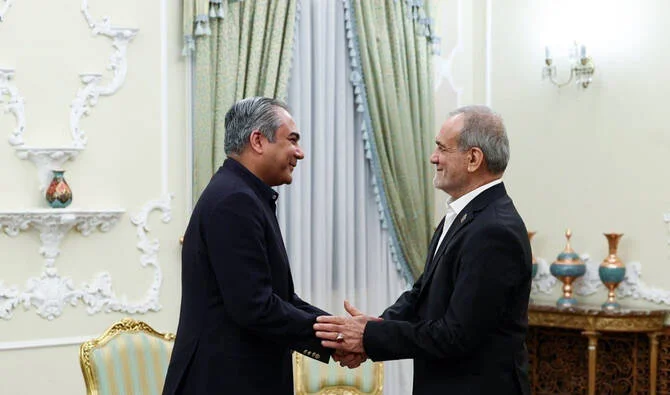
During his time in Tehran, Naqvi sat down with President Masoud Pezeshkian, Foreign Minister Abbas Araghchi, and Petroleum Minister Mohsen Paknejad. These weren’t quick courtesy calls. Iranian media described real discussion around bilateral ties and pressing regional matters.
President Pezeshkian reportedly told Naqvi that Iran wants to strengthen its relationship with Pakistan even further. He pointed to politics, trade, culture, and security as areas where both countries could work more closely together.
Iran’s readiness to deepen cooperation with Pakistan was echoed directly through IRNA. Pezeshkian was quoted saying his country wants to build joint cooperation with Islamabad wherever both sides see mutual benefit.

Naqvi’s separate meeting with Foreign Minister Araghchi covered similar ground. The two reportedly discussed key diplomatic topics along with the broader state of Pakistan-Iran relations.
Behind all this diplomacy sits a bigger picture. IRNA noted that Naqvi has been actively supporting Field Marshal Munir’s regional peace efforts. Munir himself has stayed in touch with Gulf nations, Iranian officials, and senior figures in Washington.
That kind of quiet, constant contact is exactly how Pakistan has positioned itself since the Iran-US conflict first flared up back in February. Islamabad has helped broker ceasefires and even hosted direct talks between the two rival nations.
Pakistan’s message throughout has stayed consistent. Officials keep repeating that dialogue, not confrontation, is the only real way forward.
As for the Makkah pact itself, it was formally signed on August 7. Prime Minister Shehbaz Sharif put pen to paper alongside Saudi Crown Prince Mohammed bin Salman and Turkish President Recep Tayyip Erdogan.
Officials from all three nations have been quick to clarify one thing. This agreement isn’t aimed at any single country, Iran included.
Pakistan has described the pact as purely defensive in nature. Türkiye has backed that same explanation, insisting the arrangement isn’t directed at Tehran in any way.
Still, given the current climate, it makes sense that Pakistan would want to personally reassure Iranian leadership rather than let assumptions spread. The Naqvi Tehran visit appears to be exactly that kind of reassurance mission.
Whether this fresh round of diplomacy will help cool tensions between Iran and the US remains to be seen. But it does show Pakistan is not stepping back from its self-appointed role as a regional go-between.
For now, all sides seem to be choosing conversation over conflict, and Islamabad clearly wants to keep it that way.
Comments are closed, but trackbacks and pingbacks are open.