
Indonesia Malacca Strait Levy: Should Ships Pay to Use the World’s Busiest Sea Route?
Indonesia Malacca Strait Levy Could Reshape Global Shipping — But Not Everyone Agrees

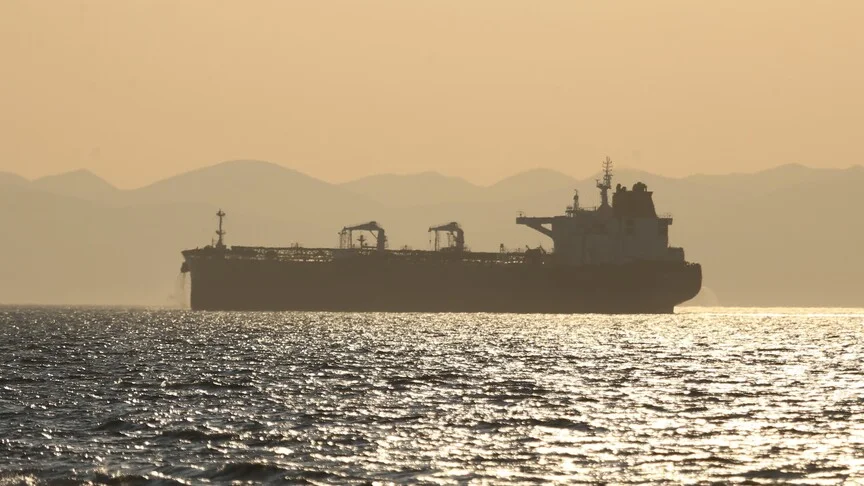
Indonesia Malacca Strait – (Web Desk) – The Indonesia Malacca Strait levy debate is heating up. Indonesia is thinking about charging ships that pass through the Strait of Malacca. The goal is simple — turn one of the world’s busiest sea routes into a money-making opportunity for the country.
Finance Minister Purbaya Yudhi Sadewa raised the idea at a symposium in Jakarta. He said Indonesia sits on a key global trade route. Yet ships pass through for free. He believes that needs to change.
“Indonesia is not a marginal country,” he said. “We sit along a key global trade and energy route, yet ships are not charged.”
He added that any fee system would need agreement from neighboring countries. Indonesia controls the largest portion of the strait’s waterway.
Why the Malacca Strait Matters
The Strait of Malacca is shared by three countries — Indonesia, Malaysia, and Singapore. It connects the Indian Ocean to the Pacific Ocean. It is one of the most important sea lanes in the world. Experts often compare it to other major chokepoints like the Strait of Hormuz, the Suez Canal, and the Panama Canal.
Purbaya also pointed to Iran. Iran’s parliament recently approved a bill to charge ships passing through the Strait of Hormuz. He sees that as a possible model. However, the US and several other countries strongly oppose Iran’s toll plan.
Not everyone is on board. Singapore’s Foreign Minister Vivian Balakrishnan pushed back hard. He said passage through the Malacca and Singapore Straits must stay free and open. He was clear — Singapore will not support any move to block or charge ships in the region.
The proposal is still in its early stages. It needs support from Malaysia and Singapore to move forward. That support, for now, does not exist. But the conversation has started. And in global trade, even early-stage ideas can shift the way nations think about their geography — and their power.
Comments are closed, but trackbacks and pingbacks are open.