WASHINGTON: (Web Desk) – The United States Department of Defense has stated that the cost of the ongoing war involving Iran has risen to nearly $29 billion, as questions intensify in Washington over military spending, operational strain, and strategic objectives.
The updated estimate was presented during a congressional budget hearing on Capitol Hill, where senior defense officials were testifying on a proposed $1.5 trillion budget request for 2027. The figure is approximately $4 billion higher than the previous estimate provided just two weeks earlier.
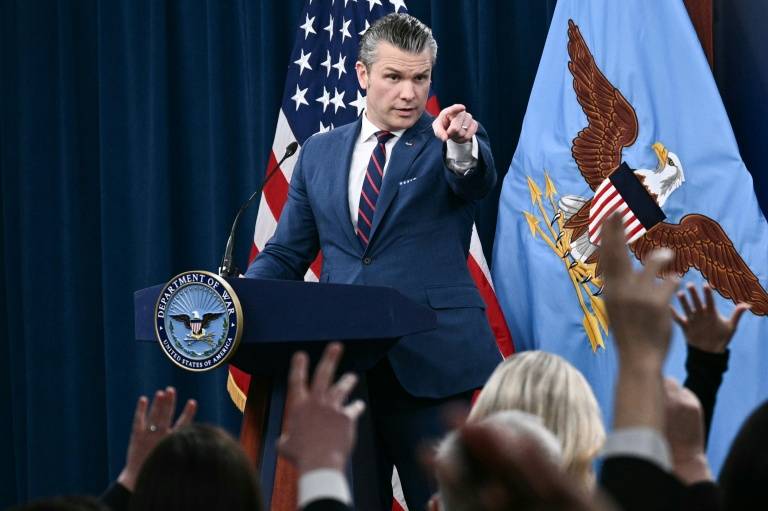
Defense officials, including Pete Hegseth, Dan Caine, and Pentagon budget chief Jules Hurst III, were questioned by lawmakers about the rapidly increasing cost of the conflict.
Officials explained that the revised estimate reflects updated calculations involving equipment repairs, replacement costs, and broader operational expenses tied to the ongoing military campaign.
Lawmakers also pressed the Pentagon on when a detailed breakdown of war-related spending would be submitted, but officials did not provide a clear timeline for a supplemental budget request.
The hearing took place amid growing political tension over the conflict, with President Donald Trump facing increased scrutiny over the financial and strategic consequences of the war. Concerns have also grown following remarks that a fragile ceasefire with Iran is under strain.
Democratic lawmakers criticized the administration for what they described as a lack of transparency and accountability, questioning the overall objectives of the military engagement and the long-term financial burden.
Some members of Congress warned that sustained operations in the Middle East are depleting critical U.S. weapons stockpiles, including missile defense systems such as Tomahawk missiles and Patriot interceptors, raising concerns about future military readiness.
However, Pentagon officials rejected claims of critical shortages, stating that current munitions levels remain sufficient to meet operational needs.
The hearings also highlighted broader policy debates, including congressional efforts to assert greater oversight over war powers and funding decisions related to the conflict.
During the sessions, protests briefly disrupted proceedings, reflecting rising public and political tensions surrounding the war and its costs.



Comments are closed, but trackbacks and pingbacks are open.