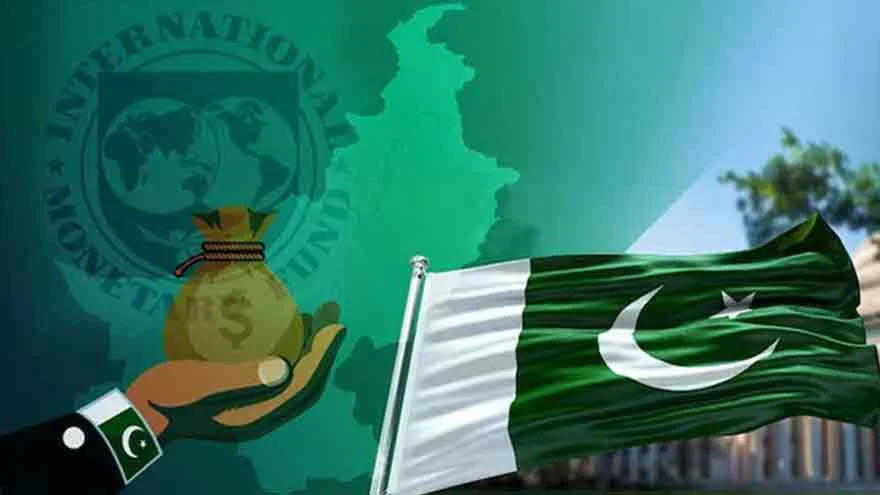
ISLAMABAD: (Web Desk) – Pakistan has received nearly $1.3 billion from the International Monetary Fund after the successful completion of important economic programme reviews, according to the State Bank of Pakistan.
The IMF Executive Board concluded the third review of Pakistan’s Extended Fund Facility during a meeting held on May 8, 2026, and approved the release of Special Drawing Rights worth 760 million.
The global lender also cleared the second installment of SDR 154 million under the Resilience and Sustainability Facility, which supports countries in improving economic stability and dealing with climate-related risks.
Following these approvals, the State Bank confirmed that Pakistan received a total of SDR 914 million, equal to around $1.3 billion, on May 12. The amount will be included in the country’s foreign exchange reserves for the week ending May 15.
Meanwhile, an IMF delegation has arrived in Islamabad for fresh negotiations with Pakistani authorities regarding the upcoming federal budget and economic reforms.
Sources said senior officials from the Finance Ministry and the IMF are holding detailed discussions on revenue targets, taxation measures, fiscal planning and broader financial reforms for the next fiscal year.
Talks are also expected to cover energy sector reforms, privatization plans and Pakistan’s macroeconomic outlook under the ongoing IMF programme.
Officials familiar with the negotiations said the discussions will continue for nearly one and a half weeks and will help finalize major budget targets for the fiscal year 2026-27.
According to sources, the IMF has not yet discussed proposals related to shifting the Benazir Income Support Programme to provincial governments despite speculation regarding decentralisation.
Pakistani economic managers are also expected to brief the IMF on risks emerging from rising tensions in the Middle East and their possible impact on Pakistan’s economy.
Officials warned that higher global oil prices caused by regional instability could increase inflationary pressure in Pakistan. Estimates shared during discussions suggested crude oil prices may range between $82 and $125 per barrel depending on the regional situation.
Sources added that the government could consider increasing petroleum levies or imposing additional sales taxes on fuel products if revenue pressures intensify.
Concerns were also raised over the possible impact of Middle East instability on Pakistan’s external sector, particularly remittances and overseas employment opportunities for Pakistani workers in Gulf countries.
According to preliminary projections shared with the IMF, Pakistan plans to maintain a primary budget surplus of 1.3 percent of GDP in the coming fiscal year, with the figure expected to improve further in the following year.
Officials also defended the State Bank’s strict monetary policy, saying it played a significant role in controlling inflation and stabilizing the economy over the past year.



Comments are closed, but trackbacks and pingbacks are open.