
Iran’s Shadow Strategy: How Proxy Warfare Redefined Power in the Post-Arab Spring Middle East
By: Muqaddas Tariq

After 1979 revolution, Iran tried to maintain its influence beyond its borders. However, Iran adopted alternative method of power projection due to economic sanctions, limitations in conventional military capabilities, and pressure from regional and international rivals. Proxy warfare is one of the most significant tools of Iranian foreign policy. Proxy warfare is a strategy in which a country uses Non-State Actors to serve its interests. Iran provides funding, weapons, training, political support and intelligence to various groups including Hezbollah in Lebanon, Shiite militias in Iraq, Houthis in Yemen, Palestinian resistance groups, and pro-government forces in Syria to increase its influence across Middle East. Through these groups Iran developed an extensive regional network known as “Axis of Reference”. Popular uprising, civil wars, regime changes, and state fragmentations created both challenges and opportunities for regional powers. Especially the conflicts in Iraq, Syria, Yemen became the most important and provided opportunities for Iran to employ its strategy.
Among all, Syria became one of the most critical battlegrounds. When antigovernment protests started in Syria, Iran took it as a potential collapse of strategic partner and weaken of “Axis of Resistance “against Israel and United States and disrupt Iranian access to Hezbollah. In response, Iran launched one of the most extensive foreign inventions, instead of deploying conventional troops, Iran heavily relied on proxy warfare. Iran provided support to the Syrian government by coordinating the mobilization of foreign fighters and these foreign fighters became one of the essential supports of the Pro- Asad coalition. Iran’s support and 2015 Russian intervention helped the Syrian government to regain its control. This led to prevention of the hostile regime in Damascus, and secured land corridor that facilitated transfer of weapons, personnel, and resources to Hezbollah.
Arab spring indirectly affected Iraq but the emergence of ISIS in 2014 represents a turning point in Iraq’s history. Iran quickly positioned itself in the fight against ISIS. The IRGC and Quds Force provide assistance to Iraqi security forces and Shiite militias, many of these militias became integrated into Popular Mobilization Force (PMF). This organization was officially recognized by the Iraqi Government and helped in defeating ISIS. This led to strengthened Iran’s position as a reliable security partner of Iraq, secondly many Iranian backed militia groups became part of political process, and it provided Iran an opportunity to increase its influence not only be militarily but also politically. Iran also expanded trade relations, especially energy exports with Iraq and in this way, Iraq became critical regional ally. Many militia organizations became part of government institutions but retained strong ideological and operational connections with Iran and it provided an opportunity for Iran to maintain leverage over Iraqi security and political affairs. IN 2014, the Houthi movement, also known as Ansar Allah, captured the capital of Yemen and expanded its control. During the conflict, Iran provided military training, technological assistance, and political backing to Houthis. For Iran, this support provides several strategic opportunities. It helps Iran to impose costs on its regional rival Saudi Arabia and reduces Riyadh’s ability to focus on other regional issues. Secondly, it also influences Iran’s strategic reach as Yemen is located near Bab al- Mandab strait, which is one of the most important Maritime Checkpoints connecting red sea with Gulf of Aden. It provided Iran with additional leverage in international trade routes and in regional security calculations. So, proxy warfare allowed Iran to increase its influence beyond borders and maintain its position as one of the most influential actors in the Middle East.
Although proxy warfare increased Iran’s influence across the middle east but Iran also faced challenges due to Proxy warfare strategy. Due to economic sanctions, Iran faced serious economic problems and supporting proxy groups is very expensive as Iran must provide money, weapons, training, and other materials to proxy groups and it requires billions of dollars. This led to inflation, unemployment, and falling value of Iranian currency. Ordinary people faced challenges and criticized the government for spending large amounts of money on conflicts and allies abroad. This domestic criticism pressurized the government to limit its expenses on proxy networks. There is a perception that Iran’s regional strategy is based on sectarian identity as most of the groups Iran helped are Shiite organizations, and it created suspicion among Sunni government and communities. Saudi Arabia and other few Gulf states often portray that Iran is trying to increase Shiite influence in the region.
The United States, Israel, and few Gulf States opposed Iran’s Proxy war strategy and consider it as a threat to regional stability and security. This led to economic sanctions and diplomatic pressure. Israel and United States Targeted Iranian linked positions in the region and conducted airstrikes on some of its proxy organizations and their installations. This increases the cost of maintaining these proxy networks and it becomes difficult for Iran to operate freely. Iran aid proxy groups but cannot control them completely as proxy groups sometimes develop their own interests and priorities and their goals may not completely match with Iranian objectives. In such cases they act independently and make decisions that creates uncertainty and led to the actions damaging Iran’s priorities. Iran’s proxy war strategy faced serious challenges due to recent developments in the Middle East.
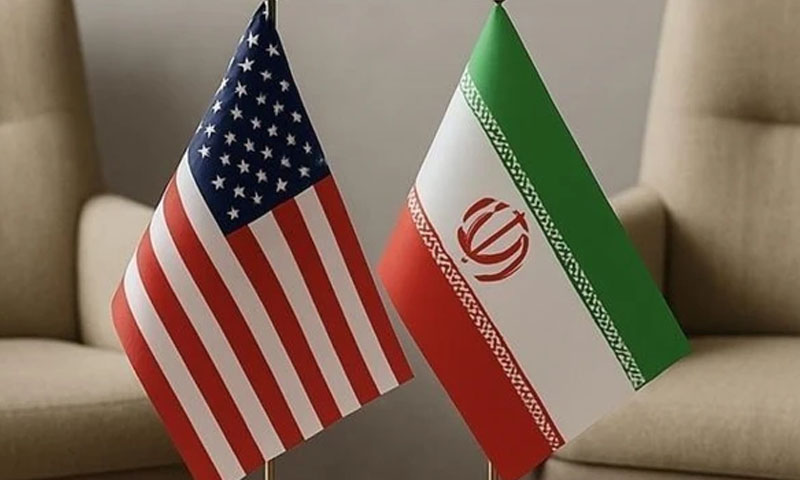
Fall of Bashar al-Assad’s government in Syria in 2024 brought the biggest setback. Syria was Iran’s most important ally and a tool for supporting Hezbollah in Lebanon. After Assad’s removal, Iran lost its ability to provide equipment to Hezbollah due to loss of influence in Syria. Hezbollah Iran’s strongest proxy network faced challenges due to Israel’s operation in Lebanon and deaths of senior commanders and isn’t strong enough as it was in previous years. Iran backed militia groups in Iraq are also divided and increasingly focused on their local interests and it makes it difficult for Iran to maintain its influence at the same level. Due to current USA-Iran war and Iran’s attack on regional countries, many Gulf countries are also making security cooperation and diplomatic efforts to reduce Iran’s influence and power of Iranian backed group in the region. Houthis in Yemen are still one of the most loyal and effective partners, but they are also facing international criticisms due to attacks on shipping routes in the red sea.
Author Bio: Muqaddas Tariq is an International Relations student at the National Defence University (NDU), Islamabad. Her research interests include Middle Eastern politics, strategic studies, regional security, and foreign policy.
Comments are closed, but trackbacks and pingbacks are open.