
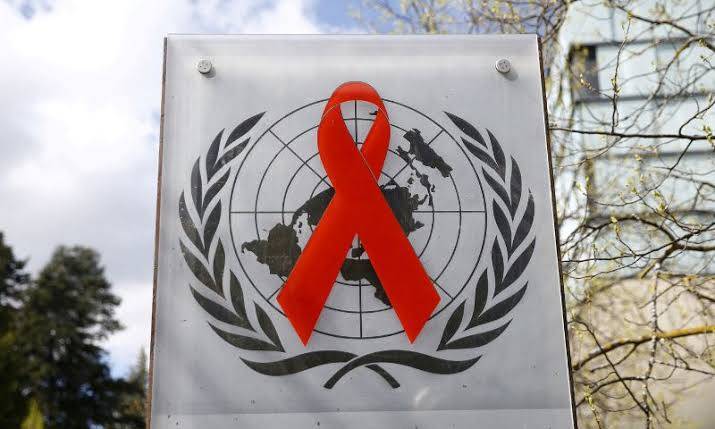
Global HIV Funding Drops by 18% as UNAIDS Warns Fight Against AIDS Is Faltering
UNAIDS also called for wider access to life-saving antiretroviral medicines

Rio de Janeiro: (Web Desk) – International funding for the global fight against HIV declined by 18% in 2025, marking the sharpest drop in decades, according to a new UNAIDS report released on Monday at the 26th International AIDS Conference in Rio de Janeiro.
UNAIDS Deputy Executive Director Angeli Achrekar warned that the global response to HIV is “absolutely faltering” and cautioned that the virus could resurge if governments and international donors fail to restore funding.
The decline follows significant cuts in foreign aid by the United States after President Donald Trump returned to office, while several European countries, including France, Germany, and the United Kingdom, also reduced their financial contributions. Since 2011, European funding for HIV programs has fallen by 58%.
Despite the cuts, the United States remains the largest government donor, contributing 74% of all international HIV funding. Meanwhile, countries with the highest HIV burden, particularly in sub-Saharan Africa, have increased domestic spending by 4%, which now accounts for 60% of total HIV financing.
However, UNAIDS Executive Director Winnie Byanyima stressed that domestic resources alone are insufficient, noting that many low-income African nations still rely on foreign assistance for up to 90% of their HIV response.
The report highlighted that new HIV infections and AIDS-related deaths reached their lowest levels in more than three decades in 2025. Nevertheless, new infections increased in 21 countries, raising concerns about future progress.
UNAIDS also called for wider access to life-saving antiretroviral medicines, especially for children, as nearly half of all children living with HIV were not receiving treatment last year.
Ahead of the conference, pharmaceutical company Merck announced plans to allow selected manufacturers in Africa and India to produce generic versions of its once-monthly HIV drug, alimatravir, once approved. Meanwhile, Doctors Without Borders urged Gilead to expand access to its preventive drug lenacapavir, saying the medication remains too expensive for many countries despite evidence it could be produced at a much lower cost.
UNAIDS urged governments, donors, and pharmaceutical companies to work together to achieve the United Nations’ goal of ending AIDS as a public health threat by 2030.
Comments are closed, but trackbacks and pingbacks are open.