

Nutritional Benefits, Uses and Ways to Reduce Food Waste
Colourful Cauliflower Varieties Offer Different Beneficial Plant Compounds

A member of the Brassica family, which also includes broccoli, kale and Brussels sprouts, cauliflower consists of tightly packed flower buds. It is naturally low in fat and provides dietary fibre, vitamins, minerals and beneficial plant compounds.
Different Colours Offer Different Plant Compounds
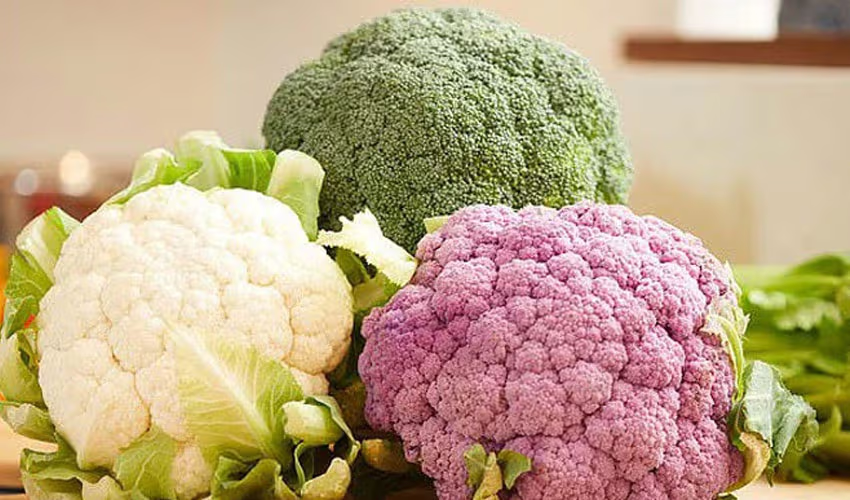
While white cauliflower remains the most common variety, it is also available in purple, green and orange forms. Romanesco, recognised by its distinctive spiral-shaped florets, is another closely related vegetable.
These varieties share many nutritional qualities, but their pigments provide different plant compounds. Purple cauliflower contains anthocyanins, which have antioxidant properties, while green varieties contain chlorophyll. Including a range of colourful vegetables in the diet can help increase the variety of nutrients and plant compounds consumed.
Cauliflower can be eaten raw or prepared through roasting, boiling, steaming, mashing and frying. Its mild flavour makes it suitable for a wide range of recipes.
A Familiar Ingredient Across Global Cuisines
Cauliflower became increasingly popular in European cooking during the Renaissance, particularly in Italy, before spreading to other parts of Europe. It later became a familiar ingredient in British cuisine and remains widely used in dishes across South Asia, North Africa and East Africa.
In Pakistan and India, it is commonly prepared in curries and vegetable dishes, including aloo gobi, which combines cauliflower with potatoes. It is also used in roasted vegetable dishes, stews and other traditional recipes around the world.
Dietary Fibre Supports Digestive Health
Cauliflower provides dietary fibre, including insoluble fibre, which adds bulk to stool and helps support regular bowel movements. Eating a variety of fibre-rich foods can contribute to healthy digestion.
Although cauliflower is not among the highest-fibre vegetables, it can still make a useful contribution to daily fibre intake. People who are sensitive to certain fermentable carbohydrates may experience gas or bloating after eating it, so individual tolerance can vary.
A Low-Carbohydrate Option for Everyday Meals
Naturally low in fat and relatively low in carbohydrates, cauliflower can fit into several eating patterns. It is frequently used as an alternative to rice or mashed potatoes in low-carbohydrate recipes.
However, its suitability for weight management depends on the overall diet, portion sizes and cooking methods. Roasting or frying with large amounts of oil, butter or other high-calorie ingredients can significantly change the nutritional content of a dish.
Leaves and Stalks Can Help Reduce Food Waste
Cauliflower leaves and stalks are edible but are often discarded during food preparation. Using these parts can help reduce household food waste while making more use of the vegetable.
Chopped leaves can be added to soups and stews, while stalks can be sliced and cooked alongside the florets. Clean vegetable trimmings can also be used to prepare homemade stock.
Vitamins and Minerals Support Normal Body Functions
Cauliflower contains several essential nutrients, including vitamin C, vitamin K, folate, vitamin B6 and pantothenic acid, also known as vitamin B5. It also supplies minerals such as potassium and magnesium.
Vitamin C supports normal immune function and collagen production, while vitamin K is important for normal blood clotting and bone health. Vitamin B6 contributes to nervous-system function and protein metabolism, while pantothenic acid helps the body use nutrients in energy-producing processes.
Adding cauliflower to a varied diet is a practical way to increase vegetable intake and obtain a range of nutrients. Whether served in traditional curries, soups, salads or roasted dishes, it can be a nutritious and adaptable ingredient in everyday meals.
Comments are closed, but trackbacks and pingbacks are open.