
Iran US Peace Talks Switzerland 2026 End First Round, Technical Talks Continue
Iran US Peace Talks Switzerland 2026 Open With Ceasefire Hope

Switzerland – (Web Desk) – Iran US peace talks Switzerland 2026 got off to a tense start on Sunday, as negotiators from both sides met in the Swiss resort of Burgenstock to work toward a permanent end to the ongoing conflict.
The high-level talks wrapped up early Monday. Both sides agreed to create a “de-confliction cell” to help stop the fighting in Lebanon. Pakistan and Qatar, acting as mediators, announced the agreement.
The cell will include the Lebanese government. Its goal is to make sure all military operations in Lebanon are brought to a halt. Lower-level technical talks are now set to continue in Switzerland for the rest of the week.
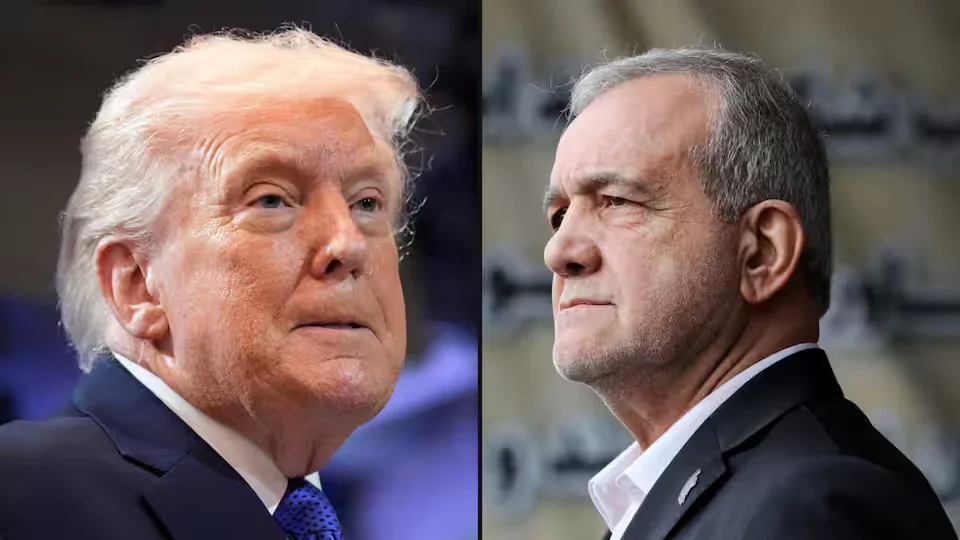
The talks were tense from the start. US President Donald Trump posted a warning on social media, threatening to hit Iran “very hard again” if Hezbollah did not stop attacks. Iran’s lead negotiator Mohammad Bagher Qalibaf fired back, saying Iran’s armed forces were ready to respond.
Despite the back and forth, Iranian Foreign Minister Abbas Araghchi later praised the work of Pakistani and Qatari mediators. He called the de-confliction cell the “first real test” of whether the talks could deliver results on the ground.
US Vice President JD Vance led the American team, joined by envoys Steve Witkoff and Jared Kushner. The meeting with Iranian officials lasted about 80 minutes, according to Iranian state media.
The bigger picture of these talks is a 60-day diplomatic window. Both countries signed a memorandum of understanding earlier this week. It calls for a permanent end to military operations on all fronts and sets a deadline to reach a full nuclear deal.

Iran has agreed to dilute its stockpile of highly enriched uranium as part of the early agreement. In return, Tehran will be allowed to sell its oil freely and access billions of dollars in frozen assets.
However, Iranian President Masoud Pezeshkian stated clearly on Sunday that Iran will never give up its right to enrich uranium. This remains one of the biggest points of disagreement between the two sides.
The Strait of Hormuz is another sticking point. Iran claimed over the weekend that it had again closed the vital waterway. The US disputed this, saying shipping traffic continued without interruption.
Israel is also a major wild card. Israeli Prime Minister Benjamin Netanyahu has pledged to keep troops in southern Lebanon until all threats to Israel are removed. Neither Israel nor Hezbollah signed the US-Iran deal, which complicates any ceasefire effort.
A renewed ceasefire in Lebanon appeared to be holding on Monday morning. Israel’s military said it would lift movement restrictions near the Lebanese border, which was seen as a positive sign.
Back in Washington, Trump’s deal has drawn strong criticism from within his own Republican Party. Some hard-liners say the agreement is too soft on Iran and does nothing meaningful to stop its nuclear ambitions.
Oil markets reacted positively to the news. After the deal was announced, oil futures dropped by nearly eight percent, offering some relief to global markets and consumers facing high fuel prices.
The next few days of lower-level talks in Switzerland will be critical. Negotiators must work out the technical details that will decide whether this 60-day window leads to a lasting peace or falls apart.
Comments are closed, but trackbacks and pingbacks are open.