
Pakistan’s Diplomatic Leadership Credited with Helping Avert Major Global Crisis
Kashmir Global Council Praises Pakistan's Role in Preventing a Dangerous International Crisis

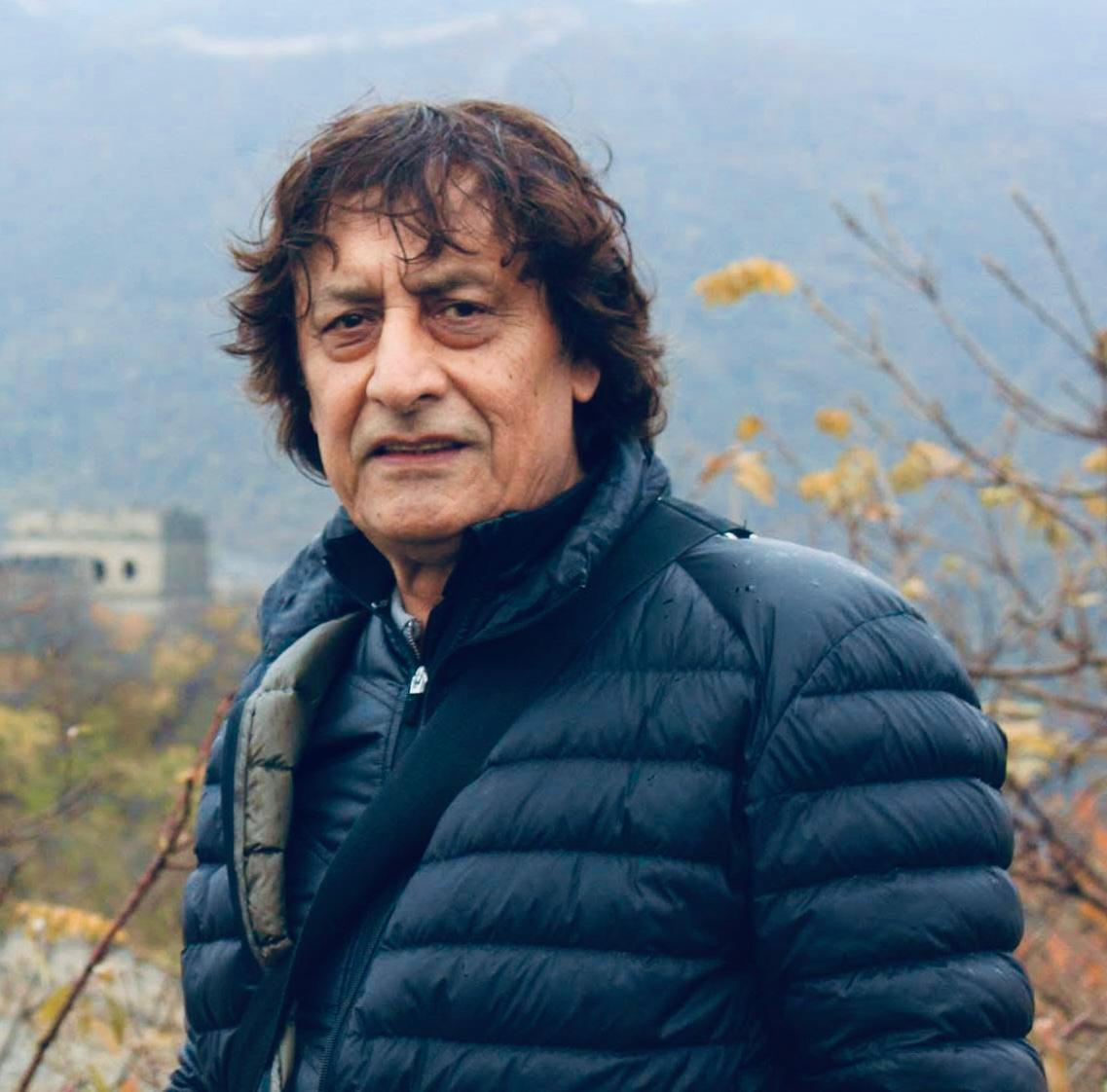
NEW YORK: Farooq Siddiqi, President of the Kashmir Global Council, has commended Pakistan and its allied partners for their “effective, prudent, and responsible” diplomacy in helping de-escalate recent tensions involving Iran, the United States, and Israel.
In an official statement, Siddiqi stated that Pakistan’s timely and proactive diplomatic engagement played a meaningful role in supporting efforts that led to a ceasefire, preventing further escalation in an already volatile geopolitical environment.
“Pakistan demonstrated restraint, strategic foresight, and calibrated engagement at a critical juncture,” Siddiqi said. “These efforts helped avert what could have developed into a broader and potentially devastating international conflict.”
He paid tribute to Pakistan’s leadership, particularly Prime Minister Shehbaz Sharif and Chief of Army Staff Field Marshal Asim Munir, for their balanced and forward-looking approach, which he described as instrumental in maintaining regional stability and contributing to global peace.
Siddiqi emphasised that Pakistan’s actions reflect not only a commitment to regional security but also a broader responsibility toward safeguarding international peace. He warned that unchecked conflict carries severe human and economic consequences, including loss of innocent lives, destruction of infrastructure, and disruption to the global economy.
“Timely diplomacy made the difference,” he noted. “Without it, the situation could have escalated into a far-reaching confrontation with serious global repercussions.”
Reaffirming the importance of dialogue over confrontation, Siddiqi described Pakistan’s role as “commendable” and urged the international community to adopt similar diplomatic approaches in addressing long-standing global disputes.
He specifically highlighted the unresolved issue of Jammu and Kashmir, noting that the dispute has persisted for over seven decades with significant human cost. Referring to restrictions on political freedoms and reported human rights concerns, he characterised the situation as a pressing challenge for the international community.
Siddiqi stressed that the continued unresolved status of Kashmir remains a serious source of regional instability between two nuclear-armed states, underscoring the urgent need for a peaceful resolution. He warned that without sustained diplomatic engagement, such long-standing disputes risk escalating into wider confrontations with potentially grave consequences.
Pakistan grants visas on arrival to all delegates and journalists.
He called upon the United Nations and relevant human rights organisations to take concrete and sustained steps toward a peaceful resolution through dialogue, while supporting the Kashmiri people’s right to self-determination.
He concluded that just as diplomacy helped prevent a major crisis, sustained and sincere international engagement can pave the way for resolving protracted conflicts, including Kashmir, through peaceful means.
Comments are closed, but trackbacks and pingbacks are open.