

Washington Bans Imports From BGI Genomics and MGI Tech Over Xinjiang Labor Ties
Washington adds BGI Genomics, MGI Tech and Shenzhen BGI Technology to its Uyghur forced labor entity list, while Beijing and the companies deny the claims.

Washington – (Special Corresondent/Web Desk) – US bans imports from three Chinese genomics companies, saying they helped enable forced labor of Uyghurs and other minorities in Xinjiang. The move came on Wednesday.
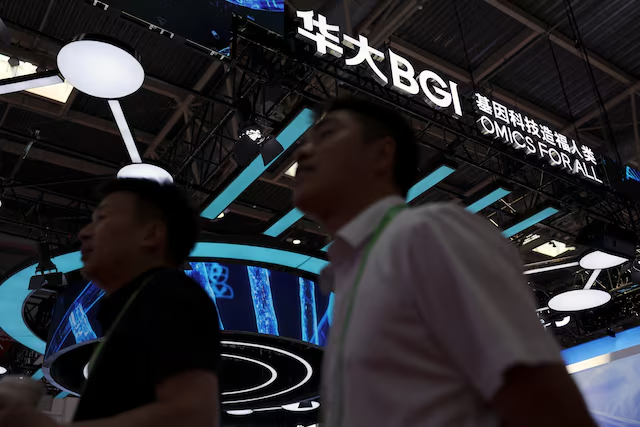
The Department of Homeland Security added BGI Genomics, MGI Tech and Shenzhen BGI Technology to its Uyghur Forced Labor Prevention Act Entity List. The US says Shenzhen BGI Technology is also known as the BGI Group.
The list names firms that use forced labor or help others use it. It also covers firms that source materials from the Xinjiang region.
US Customs and Border Protection must now stop goods from these firms at the border. Exporters can only get through if they prove the goods were not made with forced labor.
Homeland Security says BGI Group and BGI Genomics carry out genetic testing in Xinjiang. It claims they work with the government to help recruit, move and receive forced labor. MGI Tech, it says, supplies equipment and support for that testing.
The department also says the firms help run a mass surveillance system. This system uses genetic data to support wider repression, including labor programs and internment, often under the cover of healthcare.
Rob Law, a DHS under secretary, said the firms’ behavior shows they cannot separate profit from basic human dignity.
The companies strongly deny the claims. MGI Tech said the allegations do not match the facts and that it has zero tolerance for forced labor. BGI Group said it has never used forced labor. Both say US business is only a small part of their operations. BGI Group does not expect a major impact. BGI Genomics had not responded at the time of reporting.
China’s embassy in Washington also rejected the claims. Spokesman Liu Chang urged the US to stop what he called smears against Xinjiang. He said Xinjiang enjoys stability and prosperity.
The US and human rights groups accuse Chinese authorities of running internment camps in Xinjiang. Beijing denies this.
The ban arrives during a fragile trade truce between the two countries. Last year, China banned imports of sequencing equipment from US firm Illumina. China later said it would lift that ban, but Illumina stays on its Unreliable Entities List.
With these three additions, 190 entities are now on the US list. Affected goods range from cotton and canned tomatoes to electronics and equipment.
Comments are closed, but trackbacks and pingbacks are open.