
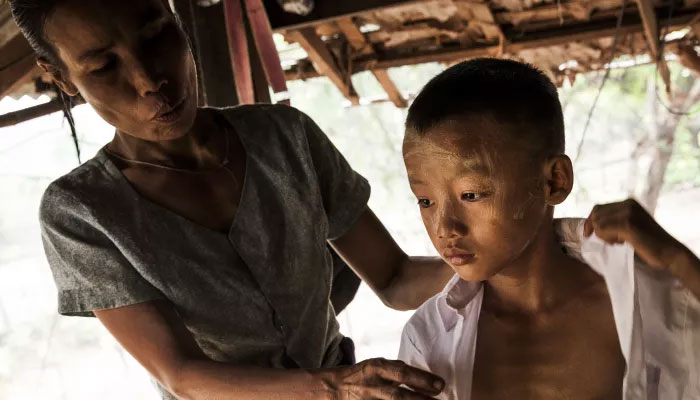

Protecting yourself and others from abuse and rape involves several key strategies. It’s important to trust your instincts and remove yourself from any situation that feels unsafe. Setting clear boundaries and communicating them assertively is crucial. Learning self-defense techniques can also build confidence and provide practical skills.
For children, open communication is vital. Talk to them about body safety, consent, and the difference between safe and unsafe touches. Teach them that they have the right to say no to any touch they don’t like, even from someone they know. Encourage them to tell a trusted adult if something makes them feel uncomfortable or scared. Additionally, educating them about online safety is essential, as much abuse can happen through digital platforms. Knowing who to contact for help, like trusted family members, teachers, or specific helplines, is also empowering.The global situation regarding child abuse and sexual violence is complex and varies significantly by region. Many countries face challenges with underreporting, inadequate legal frameworks, and insufficient resources for prevention and support services. International organizations and NGOs work to address these issues through advocacy, education, and direct intervention.
In Pakistan like many other nations, child abuse and sexual violence are serious concerns. Efforts are being made to raise awareness, strengthen laws, and improve the response system for survivors. However, societal factors, economic challenges, and access to justice can present significant obstacles. There are various local organizations and government initiatives working to combat these issues.The reasons behind child abuse and sexual violence are multifaceted and deeply rooted in societal, psychological, and systemic factors. Power imbalances often play a significant role, where perpetrators exploit their position of authority or influence over vulnerable individuals. Cultural norms that may silence victims, stigmatize survivors, or normalize certain harmful behaviors can also contribute to the problem.
Psychological factors in perpetrators can include a lack of empathy, personality disorders, or a history of experiencing or witnessing abuse themselves, though this is not an excuse for their actions. Systemic failures, such as a lack of robust child protection services, inadequate law enforcement response, or legal loopholes, can allow abuse to continue unchecked. Poverty and displacement can also increase vulnerability.
Regarding specific cases in Pakistan, there have been numerous documented instances of child abuse and sexual violence that have garnered public attention. These cases often highlight the devastating impact on victims and survivors, and have spurred calls for greater accountability and reform. For example, high-profile cases involving child sexual abuse in religious institutions, public spaces, and within families have led to increased media coverage and public outcry. These incidents have often brought to light the challenges victims face in seeking justice, including social stigma, fear of reprisal, and difficulties in navigating the legal system. The reporting of such cases, while tragic, has also been instrumental in driving discussions about the need for stronger legal protections, improved reporting mechanisms, and more comprehensive support services for survivors across Pakistan.
Educating children about preventing abuse and rape involves a multi-pronged approach that starts early and continues as they grow.

First it’s essential to teach children about their bodies and personal boundaries. This means using correct anatomical terms and empowering them to understand that their body belongs to them. They should be taught that no one has the right to touch them in a way that makes them feel uncomfortable, scared, or confused, and that they have the right to say “no.” This includes understanding that this applies even to people they know and trust, like family members or family friends.
Second open communication is key. Create an environment where children feel safe to talk about anything, without fear of judgment or dismissal. Encourage them to share their feelings and experiences, and listen attentively when they do. Let them know that if something ever happens that makes them feel bad, they should tell a trusted adult immediately, and that you will believe them and help them. It’s important to identify a few trusted adults in their lives they can turn to.
Third educate them about the difference between safe and unsafe secrets. A secret that makes them feel scared, confused, or dirty is not a secret they should keep. Teach them that telling an adult about something unsafe is not tattling; it’s being brave and responsible.
Fourth, as they get older, conversations can evolve to include consent in relationships, recognizing and avoiding risky situations, and understanding the impact of their online activities. Teaching them about healthy relationships and respecting others’ boundaries is also part of this broader education. it’s crucial for adults to be informed and vigilant. This means recognizing the signs of abuse, knowing where to seek help, and actively creating safe environments for children in all aspects of their lives.It’s really important for parents to talk to each other about how they want to keep an eye on their kids’ social lives, like who they hang out with and their friends. They need to figure out how much they trust their kids and set some clear rules about meeting people and going places. It’s also good to decide how much they want to know about their child’s friends and what they’re up to. Plus, they should agree on how much they’ll watch over their kids, depending on how old they are and what they’re doing. Most importantly, they should have a way to talk about and deal with any worries they have about their child’s friends or activities. This way, they can be on the same page and parent consistently.When it comes to keeping children safe, it’s not just about friends and meetups; it extends to family members and relatives too. Parents need to have open conversations about how they want to monitor their children’s interactions with everyone, including extended family. This involves establishing trust and clear boundaries, not just with external friends, but also within the family circle. They should decide how much information they want to share and receive regarding their child’s relationships with relatives, and what level of supervision is appropriate.
It’s crucial for parents to discuss potential risks that might exist even within family settings and to have a plan for addressing any concerns that arise. This could involve setting boundaries on unsupervised time with certain relatives or ensuring that children know they can always talk to their parents if they feel uncomfortable or unsafe, regardless of who is involved. By extending these safety discussions to include family and relatives, parents can create a more comprehensive network of protection for their children, ensuring their well-being in all social interactions.
Schools and educational institutions craft their safety rules with a deep understanding of the vulnerabilities children face. They weave a tapestry of protection through comprehensive child protection policies, ensuring every staff member is a vigilant guardian, trained to recognize the faintest signs of distress or harm and equipped with clear, decisive action plans. Beyond just rules, they foster a culture of respect and safety through codes of conduct that actively combat bullying and harassment, creating an environment where every student feels valued and secure. Their visitor policies act as a firm gatekeeper, ensuring that only trusted individuals can access the school grounds, adding another layer of security. Constant supervision, from the classroom to the playground, is meticulously planned, providing a watchful presence throughout the school day. Furthermore, schools empower students with knowledge, integrating vital lessons on personal safety, digital citizenship, and healthy relationships, equipping them with the tools to navigate risks and seek help. And crucially, they establish accessible and confidential reporting systems, assuring students and parents that their concerns will be heard and addressed with the utmost seriousness and care.Child protection and controlling abuse situations in Pakistan involve a multi-faceted approach. Key strategies include strengthening legal frameworks to ensure stricter enforcement of laws against child abuse and exploitation, and increasing public awareness campaigns to educate communities about children’s rights and the signs of abuse. Establishing and supporting child protection services, such as helplines and shelters, is also crucial for providing immediate assistance to victims. Moreover, integrating child protection education into school curricula and training teachers and other professionals who work with children can help create safer environments.Empowering communities to report abuse and encouraging a culture where children feel safe to speak up are vital steps in controlling this situation.
Comments are closed, but trackbacks and pingbacks are open.