
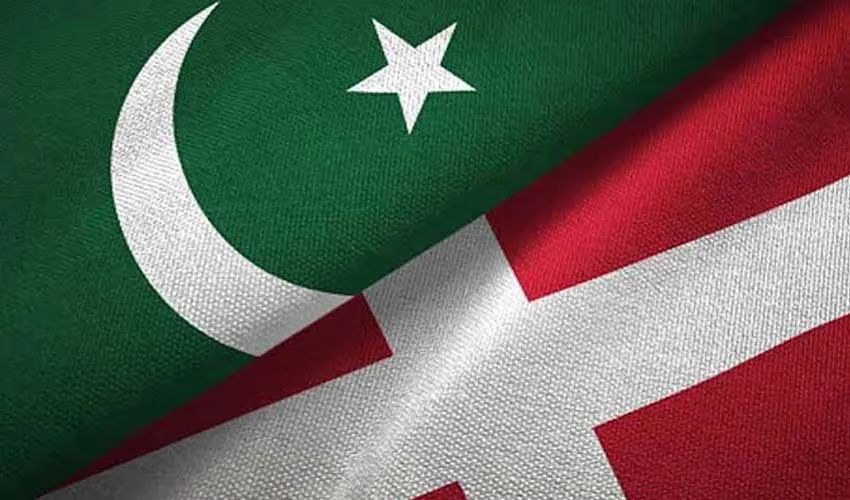
Pakistan Denmark Energy MoU Signed for Strategic Power Cooperation
Denmark to support Pakistan's clean energy planning and national grid upgrade

Pakistan & Denmark – (Special Correspondent/Web Desk) – Pakistan and Denmark have signed the Pakistan Denmark energy MoU, a new agreement aimed at bringing more renewable power into the country’s national grid. The deal marks another step forward in the two countries’ growing energy partnership.
The signing took place in Islamabad. Pakistan’s Power Division secretary and the Danish envoy put pen to paper on behalf of their governments. Federal Minister for Energy, Awais Leghari, was also present at the ceremony, showing the importance both sides place on this cooperation.
Officials say the agreement will deepen government-to-government ties between Pakistan and Denmark in the energy field. It’s part of a broader push to modernize how Pakistan plans, manages, and grows its power supply for the years ahead.
Under the deal, Denmark will offer technical help to Pakistan for long-term energy planning. Denmark is known worldwide for its expertise in wind power and smart grid systems, so this support could prove valuable as Pakistan works to add more clean energy sources.
The Power Division noted that this cooperation will help the country meet its climate goals in a way that is both effective and affordable. Rather than large upfront costs, the focus is on smart planning that saves money over time while cutting emissions.
This move comes as Pakistan continues to face pressure to shift away from expensive fossil fuels. Renewable sources like solar and wind are becoming more central to the country’s energy mix, and better grid integration is key to making that shift work smoothly.
Denmark, for its part, has decades of experience balancing renewable power with grid reliability. Sharing that knowledge with Pakistan could help avoid some of the common problems that come with adding more solar and wind energy to an existing system.
Experts believe partnerships like this one can speed up Pakistan’s transition to cleaner power. With outside technical guidance, local institutions can build stronger systems without starting entirely from scratch.
The agreement is expected to run over the next few years, with both countries working closely through a joint steering process. This should keep the cooperation on track and focused on real results.
For everyday consumers, the hope is that better grid planning eventually means fewer outages, more stable electricity, and lower long-term costs. While the full benefits will take time to show up, this MoU lays important groundwork.
As climate concerns grow globally, deals like the Pakistan Denmark energy MoU show how international cooperation can support local energy goals. It’s a small step, but one that could shape how Pakistan powers its future.
Comments are closed, but trackbacks and pingbacks are open.