


BY: UZMA AMIN ROLL NO:BOT-2207 DEPARTMENT:Bs BOTANY G.G.D.NO.1,DERA ISMAIL KHAN
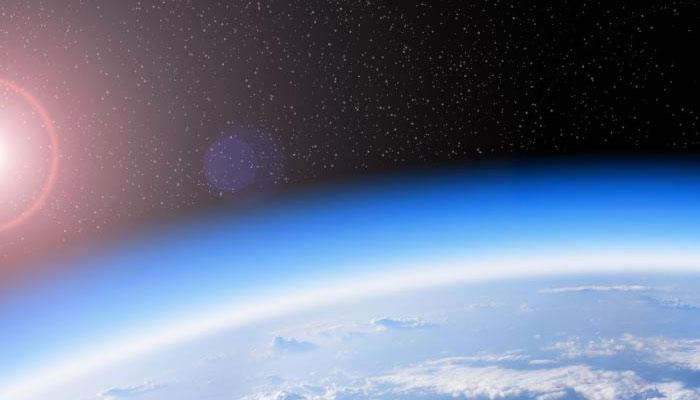
The ozone layer is one of the most vital components of Earth’s atmosphere, serving as a natural shield that protects life from harmful ultraviolet (UV) radiation emitted by the sun. Located in the stratosphere at an altitude of about 15 to 35 kilometers above the Earth’s surface, the ozone layer contains a high concentration of ozone (O₃) molecules. Although ozone is present in very small amounts, its role in maintaining ecological balance and human health is extremely significant. The primary function of the ozone layer is to absorb most of the sun’s harmful ultraviolet rays, particularly UV-B radiation, which can cause severe biological damage. Without this protective barrier, life on Earth would face serious threats including skin cancer, eye cataracts, weakened immune systems, and genetic mutations. Plants, aquatic organisms, and wildlife are also highly vulnerable to excessive UV radiation.

During the late twentieth century, scientists discovered alarming depletion in the ozone layer, especially over Antarctica, commonly known as the “ozone hole.” This depletion was mainly caused by human-made chemicals such as chlorofluorocarbons (CFCs), halons, carbon tetrachloride, and methyl chloroform. These substances were widely used in refrigerators, air conditioners, aerosol sprays, and industrial processes. When released into the atmosphere, they rise into the stratosphere where sunlight breaks them down, releasing chlorine and bromine atoms that destroy ozone molecules.
The depletion of the ozone layer has become a major environmental concern worldwide. Increased ultraviolet radiation reaching Earth’s surface negatively affects human health by increasing the risk of skin diseases and respiratory problems. Agricultural productivity is also threatened as excessive UV exposure damages crops and reduces photosynthesis. Marine ecosystems suffer greatly because plankton, which forms the base of aquatic food chains, is highly sensitive to UV radiation.
Recognizing the seriousness of the issue, the international community took an important step through the adoption of the Montreal Protocol in 1987. This landmark environmental agreement aimed to phase out ozonedepleting substances globally. Due to strong international cooperation, many harmful chemicals have been significantly reduced, and scientists report gradual recovery of the ozone layer in recent years. The Montreal Protocol is often regarded as one of the most successful environmental agreements in human history. Despite this progress, continuous vigilance is still necessary. Illegal use of banned chemicals, industrial emissions, and climate change continue to pose risks to atmospheric stability. Governments, industries, and individuals all share responsibility for protecting the ozone layer. The use of eco-friendly products, proper disposal of refrigeration equipment, energy conservation, and promotion of environmental awareness can contribute significantly toward ozone protection.
Comments are closed, but trackbacks and pingbacks are open.