
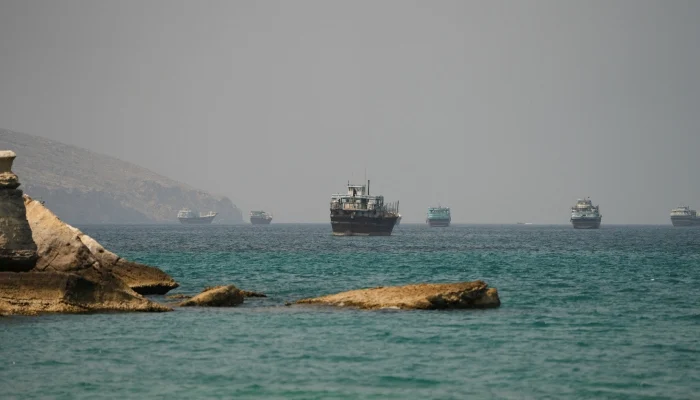
Iran’s Seven Day Plan Proposes Reopening Hormuz, Ending War
Tehran offers a conditional truce to unlock the world's busiest oil route

Iran – (Special Correspondent/Web Desk) – Iran has put forward a seven day plan to end months of conflict and reopen the Strait of Hormuz, one of the world’s most important shipping lanes. Foreign Minister Abbas Araghchi shared the offer with reporters in New York, saying the strait could open once certain conditions are met and talks would then restart.
Araghchi made the announcement while attending the United Nations General Assembly this week. The proposal was passed to Washington through mediators and calls for fresh negotiations aimed at ending hostilities for good.
The Strait of Hormuz carries a huge share of the world’s oil every single day. Any slowdown there tends to push fuel prices higher across the globe, so this offer has caught the attention of energy markets.
Araghchi said the seven day countdown would only begin once the US formally accepts the terms. He added that the plan closely follows an earlier understanding signed in Islamabad back in June.
That June agreement had briefly eased tensions but broke down weeks later, with the nearly seven month conflict between the US and Iran continuing since. Since then, ship traffic through Hormuz has dropped sharply.
Tensions have also spread further, with Houthi forces launching fresh missile and drone attacks toward Saudi Arabia around the same time as this announcement.
Under the new offer, Iran is asking for a full pause in fighting across several fronts. This includes stopping military action in Lebanon, easing the naval blockade on Iranian ports, and allowing safe passage for commercial ships.
Tehran also wants its frozen funds released. Reports say this includes waivers for Iranian oil exports, movement on sanctions relief, and access to blocked assets held abroad.
Iranian officials said ending the war on every front also means stopping military operations in Yemen, adding another layer to the demands.
Araghchi met with US special envoy Steve Witkoff on the sidelines of the assembly. This marked the first high level contact between the two sides since their earlier agreement collapsed.
Washington described the talks as positive, though its top diplomat cautioned against calling them a major breakthrough just yet.
Interestingly, China appears to be backing Iran’s proposal from behind the scenes. This comes at a time when Chinese President Xi Jinping is holding separate talks with President Trump in the United States.
Not everyone agrees on the details, though. Some Iranian outlets pushed back on early reports about the offer, leaving parts of the story unclear for now.
Analysts remain unsure that a full peace deal is near, since the US still wants Iran’s nuclear programme discussed straight away, while Iran prefers a slower, phased approach.
Araghchi noted that reaching a deal before the US midterm elections in November would be helpful, though Iran is not rushing the process.
For now, global markets and diplomats alike are watching closely. If Washington agrees to the terms, ships could safely cross the Strait of Hormuz again within a week, offering some relief to a region under heavy strain.
[…] Iran has not stayed quiet, though. Its allies have widened the fight across the region. Drone and missile attacks have hit US partners in the Gulf. Houthi fighters in Yemen have targeted Saudi interests too. A pipeline strike, blamed on Iran-linked groups in Iraq, briefly pulled Saudi oil off the market. […]