
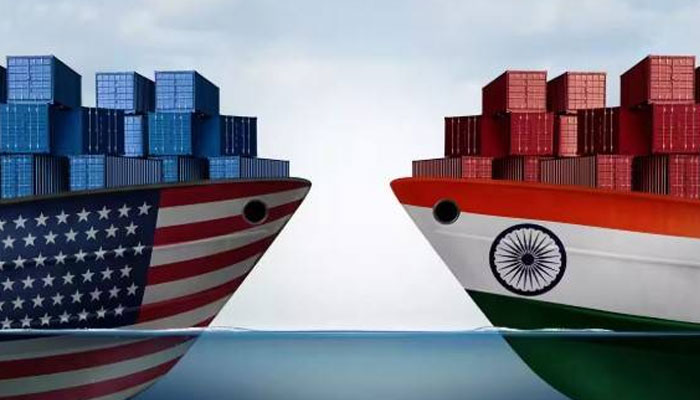

NEW DELHI: (News Desk) – US Secretary of State Marco Rubio is set to visit India for the second time this year as Washington seeks to strengthen strategic ties with New Delhi despite prolonged disagreements over a long-awaited trade agreement.
During his upcoming six-day overseas tour, Rubio will meet senior Indian officials but is expected to skip the national capital. Instead, his visit will focus on investment and energy, with stops planned in Mumbai, India’s financial centre, and Jamnagar, home to billionaire Mukesh Ambani’s massive refining complex, the world’s largest.
The unresolved trade deal is expected to remain a key issue during the visit, as both countries continue to struggle to bridge differences over tariffs, energy imports and market access.
US President Donald Trump’s aggressive tariff policies, disagreements over India’s energy purchases and Washington’s improving relations with Pakistan have further complicated efforts to finalise the agreement, analysts say.
According to the US State Department, Rubio will begin his six-day trip on Saturday with a visit to Uzbekistan before travelling to India.
Why Has the Trade Deal Been Delayed?
India and the United States agreed in February on a framework for an interim trade agreement. Under the proposed arrangement, Washington would reduce reciprocal tariffs on Indian goods from 25 per cent to 18 per cent, while New Delhi would lower duties on a range of American industrial and agricultural products.
However, months of negotiations have failed to produce a final, signed agreement.
One major complication has been legal uncertainty surrounding Trump’s tariff policy after court challenges undermined the reciprocal tariff measures that formed the basis of the February framework.
Trade expert Ajay Srivastava said the proposed reduction in US tariffs had been linked to significant concessions from India. Following the legal challenges, he argued, the value of Washington’s original offer had become less clear.
India is also concerned about additional US trade measures that could affect its exports. These include investigations into alleged unfair trade practices and legislation authorising tariffs of up to 100 per cent on countries purchasing Russian oil.
However, Trump signed an executive order on Friday waiving the threatened sanctions, adding another development to an already complicated trade landscape.
Negotiations Face Growing Uncertainty
After months of optimistic statements from both governments, expectations of a breakthrough have become more cautious.
In June, US Ambassador to India Sergio Gor said negotiators were working on the final one per cent of the agreement, suggesting that a deal was close.
More recently, however, Indian Finance Minister Nirmala Sitharaman said the negotiations had reached a plateau, leaving limited room for further concessions. Her comments came shortly after US Trade Representative Jamieson Greer indicated that an announcement was not imminent.
The contrasting statements highlight the challenges facing both sides as they attempt to reach an agreement acceptable to their domestic industries and broader economic interests.
Agriculture, Energy and Tariffs Remain Key Obstacles
Agriculture remains one of India’s most sensitive negotiating issues. New Delhi is reluctant to open its farming sector to greater foreign competition, given the potential impact on domestic farmers and rural livelihoods.
Washington, meanwhile, wants India to increase purchases of American energy supplies.
Another important concern for New Delhi is ensuring that its final tariff arrangements remain competitive with those offered to other Asian manufacturing economies, including Vietnam.
Indian Commerce and Industry Minister Piyush Goyal said this week that the first phase of the agreement was nearing completion. However, he stressed that India would not put the deal into operation until it secured a competitive advantage over comparable countries.
He said negotiations were progressing through their final stages, including legal drafting, and expressed hope that the agreement could soon be finalised.
US Trade Remains a Bright Spot for India
Despite the uncertainty surrounding the negotiations, Indian exports to the United States have continued to perform strongly.
Goods exports to the US rose 21 per cent in August to $8.3 billion compared with the same month last year, when Indian products faced tariffs of 50 per cent.
The increase has provided some support to India’s economy, which has faced pressure from elevated energy costs linked to the conflict in the Middle East.
However, economists warn that a return to higher tariffs could weaken India’s growth outlook, undermine investor confidence and place additional pressure on the already fragile rupee.
Rubio’s visit therefore comes at a critical moment for US-India economic relations. While both governments have an interest in strengthening their strategic partnership, progress on the trade agreement will depend on whether they can resolve their differences over market access, energy purchases and tariff competitiveness.
Comments are closed, but trackbacks and pingbacks are open.