
Iran Ready for War While Keeping Diplomacy Open
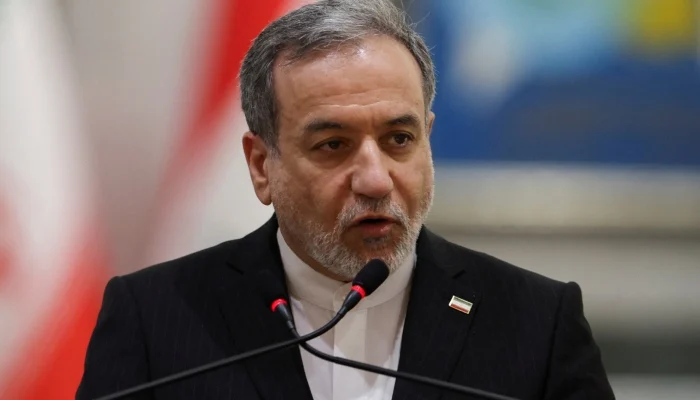
Araghchi Says Iran Prepared for Conflict, Open to Diplomacy

TEHRAN: (News Desk) – Iran has said it is prepared for a renewed conflict while keeping the door open to diplomacy, as US President Donald Trump said he expects talks with Tehran to resume this week.
The latest developments came after Washington rejected an Iranian proposal for a seven-day truce linked to the reopening of the strategically important Strait of Hormuz.
Iranian Foreign Minister Abbas Araghchi said Tehran remained committed to diplomacy but would stand firm against any aggression.
In a post on X, Araghchi said he and Iranian President Masoud Pezeshkian had travelled to New York to pursue peace rather than promote war.
He said Iran was ready for “real diplomacy” but would remain steadfast even in what he described as an “apocalyptic war”.
Meanwhile, Trump rejected Tehran’s seven-day roadmap for ending hostilities and reopening the Strait of Hormuz.
Iran had presented the proposal during the UN General Assembly, seeking a halt to hostilities that would allow the vital waterway to reopen and ease the disruption to global energy supplies.
Speaking to reporters outside the White House, Trump said he rejected the Iranian proposal.
However, the US president also indicated that Washington remained open to negotiations. In an interview with Axios, Trump said Iran wanted to reach a deal but that Tehran’s current proposal did not meet his demands.
Trump also said the two sides may have agreed to similar terms a year ago but claimed Iran had since “overplayed their hand”.
According to Axios, citing people familiar with the matter, indirect talks between Washington and Tehran could take place as early as Monday.
Oil Prices and Markets React
The uncertainty surrounding the proposed truce and the Strait of Hormuz also pushed oil prices higher on Monday, while US bond yields rose amid renewed concerns over inflation.
Global markets remained mixed as investors awaited key US economic data.
The Strait of Hormuz is a major route for global energy supplies and has become a central point of tension in the conflict between Washington and Tehran.
The situation has also been complicated by developments in Yemen, where the Houthis control Yemen’s Red Sea coastline, including areas around the strategically important Bab al-Mandab Strait.
Any prolonged disruption around the region could further affect international shipping and energy supplies, keeping markets focused on diplomatic developments between Iran and the United States.
[…] Sunday, Araghchi said mediators had not formally passed on any US rejection. He said Iran will wait for […]
[…] week Iran shared a peace plan at the United Nations. It would start a seven-day countdown to reopen the […]