
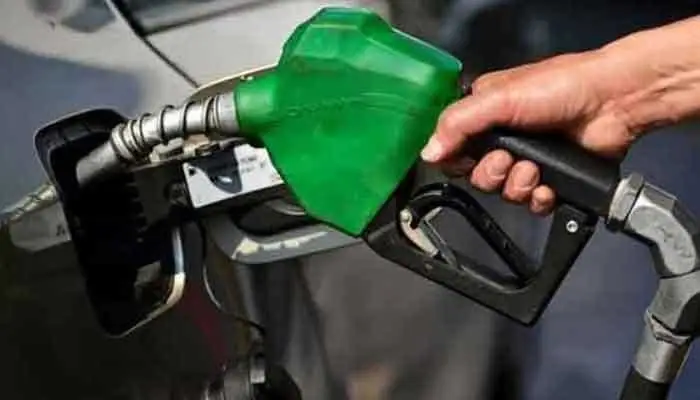
Govt Cuts Petrol, Diesel Prices by Rs1.97 Per Litre
Government trims petrol and diesel prices for the second time this month, while kerosene rates go up.

PAKISTAN – (Web Desk) – The government has once again reduced petrol and diesel prices, cutting both fuels by Rs1.97 per litre with immediate effect, according to a notification from the Petroleum Division.
After this week’s review, petrol will now cost Rs297.53 per litre, down from Rs299.50. Diesel has also dropped, moving from Rs311.47 to Rs309.50 per litre.
This is the first price change since 19 June, when petrol and diesel were slashed by Rs74 and Rs67 per litre. That major cut, announced by PM Shehbaz Sharif, followed a drop in global crude prices after the US-Iran peace deal and the reopening of the Strait of Hormuz.
Since then, prices had stayed the same for two straight reviews, even though the government was quietly changing how fuel taxes are structured behind the scenes.
Petroleum levy adjusted once more
Along with the price cut, the government has also revised the Petroleum Levy on both fuels.
The levy on petrol has gone up by Rs6.22, rising from Rs64.14 to Rs70.36 per litre. On the other hand, the diesel levy has been lowered by the same amount, moving from Rs77.04 down to Rs70.82 per litre.
Kerosene’s levy stays the same at Rs20.36 per litre. A separate notification was issued to confirm these levy changes.
Kerosene gets pricier
In contrast to petrol and diesel, kerosene has become more expensive. OGRA has raised its price by Rs4.09 per litre, pushing it up to Rs231.14 from Rs227.05. This new rate is already in effect.
Earlier, on 2 July, the Petroleum Division had doubled the Climate Support Levy on petrol and diesel from Rs2.50 to Rs5 per litre, while cutting the Petroleum Levy by the same amount. That move kept pump prices steady for buyers despite the internal tax shift.
What this means for everyday people
Though small, this week’s price cut brings some breathing room to families and businesses still coping with sharp price changes over the past two weeks.
Petrol is the main fuel for motorcycles, rickshaws, and small vehicles, so any drop directly helps middle- and lower-income households who depend on it daily.
Diesel plays an even bigger role in the economy. It powers trucks, buses, tube wells, tractors, and threshers, so a lower diesel rate can slowly ease transport and farming costs too.
The next fuel price review is expected next week, as usual, and will likely depend on global oil prices and how the rupee performs against the dollar.
Comments are closed, but trackbacks and pingbacks are open.