

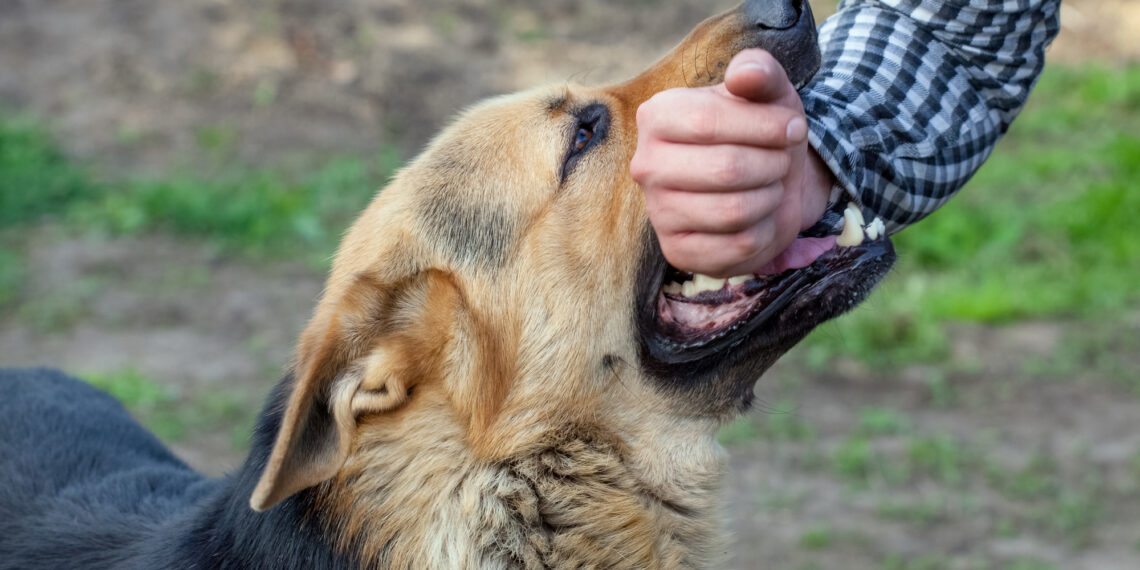
Culling, Courts, and Community Dogs: Islamabad’s Ongoing Stray Dog Debate
By: Zunairah Khan, Sarah Bangush, Semira Khan

As evening falls in parts of Islamabad, some residents change routes, carry sticks, or quicken their pace to avoid packs of stray dogs gathering near quiet streets.
For Fouzia, a housemaid working in Bahria Town, said her fear of stray dogs has slowly
become part of her daily routine. “I finish work late sometimes, and by the time I walk home, the sun is already setting,” she said. “I have to be extra cautious in certain streets because dogs like to gather there to find food. She went on to add that last year, she was bitten while attempting to walk past a pack of dogs. Since then, she says, even barking sounds cause panic.
Islamabad’s growing stray dog population has become one of the capital’s most divisive urban issues. For some residents, the animals represent fear and insecurity. For others, repeated culling operations raise questions about cruelty, legality, and whether the practice targets the root of the problem.
The concern of safety is shared by others, such as Sanaullah, a delivery rider in Islamabad, who said encounters with stray dogs are now just part of working nights. “Most of the time they don’t attack,” he said, “but all it takes is one aggressive dog for things to go wrong.” He continued by saying that more needed to be done by the government to keep dogs out of densely populated neighbourhoods. “People who walk or ride at night need to feel safe too,” he said.
According to data released by the National Institute of Health (NIH), more than 5,641 dog- bite cases were reported across Pakistan in a single week in February 2026, following an even higher weekly figure of nearly 8,000 cases the month before. Health officials estimate that around one million people in Pakistan are bitten by stray dogs each year, contributing to approximately 5,000 to 6,000 rabies-related deaths annually. The NIH has also stated that the country requires more than two million anti-rabies vaccine doses every year, while shortages of vaccines and rabies immunoglobulin injections continue to affect hospitals in several regions.
The response from authorities has largely been culling; dogs shot or poisoned in operations carried out by the Capital Development Authority (CDA). These operations were initiated as a public safety measure but criticism has steadily grown over both their execution and their effectiveness in addressing the issue.
Dr. Faisal Khan, Veterinarian and CEO of Pets and Vets Islamabad, said the methods used in these operations are neither humane nor effective. “These cullings are carried out by non- professional people who are not properly equipped,” he said. “Ultimately, it leads to pain and suffering.” He called for proper training in euthanasia protocols as a minimum standard, arguing that even where culling is necessary, it should be done correctly.
This criticism links to what is happening in reality, where the impact of these operations leads to conflict. In I-8, resident, Maha Taher, described being woken one night by screaming puppies as CDA workers attempted to remove a litter she cared for from the street. She confronted the workers who said complaints came from residents of a neighbouring street.

The dogs were shortly released. “The neighbourhood takes care of these dogs,” she said. “They are vaccinated, they have collars. Everyone knows them.”
The tension Maha describes between residents who live alongside community strays and those who want them removed reflects a multilayered issue of a legal and policy gap that has been unaddressed for years.
Animal rights activists in Islamabad say such incidents were amongst the reasons legal action against culling practices began gaining momentum in recent years. Across Pakistan, animal welfare petitions have challenged the legality of indiscriminate killings under the Prevention of Cruelty to Animals Act, 1890, signalling a greater shift in how the issue is being interpreted in courtrooms.
Faryal Nawaz, an animal rights activist, filed a petition in 2018 in the Islamabad High Court against the shooting and poisoning of healthy stray dogs. She argued that indiscriminate culling violated both existing animal cruelty laws and Islamic principles regarding the treatment of animals. She further stated research conducted while preparing the case showed that repeated culling operations were often more costly than Trap-Neuter-Vaccinate-Return (TNVR) programs, a method in which stray dogs are captured, sterilised, vaccinated against rabies, and released back into the same territory to prevent unchecked breeding and territorial replacement.
In 2020, the CDA formally adopted the ICT Stray Dog Population Control Policy, which prioritised TNVR over culling as the primary method of population control. The policy also called for vaccination drives, public awareness campaigns, and the establishment of stray dog facilities, including the CDA-run shelter in Tarlai.
Animal rights advocates, however, argue that implementation has remained inconsistent and that culling operations continue despite the policy shift.
“When there’s one group of dogs that is familiar to an area, another group will not come in, but when you constantly cull dogs, others will occupy the same area and learn to be more aggressive over time,” said Ameera Adil, an environmental activist. She points to waste management as the real issue. “We do not have a waste management system, and that is why you will always find stray animals congregating around areas where there is trash so that they can find food to eat.” Without addressing this, she argues, the cycle will repeat regardless of how many culling operations are carried out.
For now, Islamabad’s stray dogs remain at the centre of an unresolved conflict between public safety concerns, animal welfare, and uneven policy implementation. Fouzia still changes her route home on evenings when packs gather near garbage piles. Maha continues leaving food and water out for the dogs her neighbourhood has come to recognise by name and collar. Community dogs wander through neighbourhoods that still cannot decide what should happen to them.
The CDA was contacted for comment but did not respond by the time of publication.
Comments are closed, but trackbacks and pingbacks are open.