
Iran Closes Hormuz Again: Iran US Strikes Hit Gulf
Iran closes Hormuz again as Iran US strikes shake the Gulf region and put oil trade at risk.

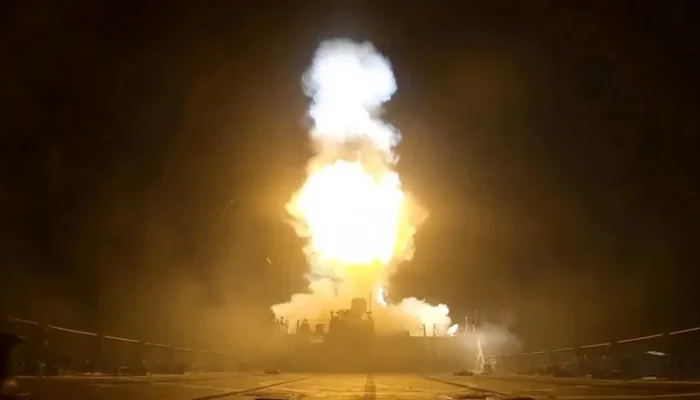
Iran closes Hormuz again as Iran US strikes reached a dangerous new level over the weekend. Tehran fired missiles and drones at US bases across several Gulf states, while Washington hit back with fresh air raids. The fighting has raised fears that a fragile truce signed last month may now be dead.
The clashes mark one of the biggest flare-ups in months. Iran struck sites in Qatar, a country that had stayed mostly safe from attacks since April. The UAE also reported that its air defense system stopped incoming missiles and drones. Both nations had largely avoided direct strikes until this latest round of violence.
US forces began a fresh wave of attacks late Sunday. A military spokesperson said the goal was to stop Iran from targeting ships and sailors moving through the strait. Officers confirmed that American jets shot down an Iranian missile and a drone during the operation.
President Trump spoke briefly about the strikes in a phone call. He said the US side was gaining ground in the fight. His comments come at a time when rising fuel prices are becoming a political headache ahead of the fall elections.
Iranian state media reported blasts near the port cities of Sirik and Bandar Abbas. These coastal areas host key military bases close to the strait. A nearby island, Qeshm, was also hit during the strikes.
Iran’s foreign ministry pushed back hard against the US action. Officials called the strikes unfair and said talks with Oman on strait traffic had failed. They blamed pressure from Washington for blocking any progress in those talks.
Iran’s top negotiator posted a strong warning online. He said the days of accepting unequal deals were finished. His message signaled that Tehran may not return to the negotiating table anytime soon.
The war between the US, Israel, and Iran began back in February. Since then, the region has faced repeated rounds of fighting. Iran has used its control near the strait to pressure shipping companies and world powers.
Iran wants to set up a permanent system to charge ships that pass through Hormuz. The waterway once carried about one-fifth of the planet’s oil and gas shipments before the fighting started. Iran has now told ships not to sail through without its approval.
A container ship was hit near Oman’s coast during the unrest. One crew member from India remains missing. Oman confirmed that rescue teams saved twenty-three other sailors from the vessel.
The US insists that ships can still move safely through the strait. Officials said traffic remains open, despite Iran’s claims of a full shutdown. A safer route near Oman is also available for vessels avoiding danger zones.
Military reports show the US struck more than three hundred Iranian targets this week alone. In return, Iran claims it damaged US-linked sites in Jordan, Kuwait, Oman, and Qatar. Several countries, including Bahrain and Kuwait, reported damage from falling debris and drone strikes.
Qatar said a child was among three people hurt by shrapnel during the attacks. Oman also summoned Iran’s ambassador to protest recent drone strikes on its land. As tensions rise, world leaders are watching closely to see if diplomacy can still calm the region before more damage is done.
Comments are closed, but trackbacks and pingbacks are open.