

BY: HAZRAT JAWERIA ROLL NO: BOT-2213
G.G.D.C.NO.1,DERA.ISMAIL.KHAN
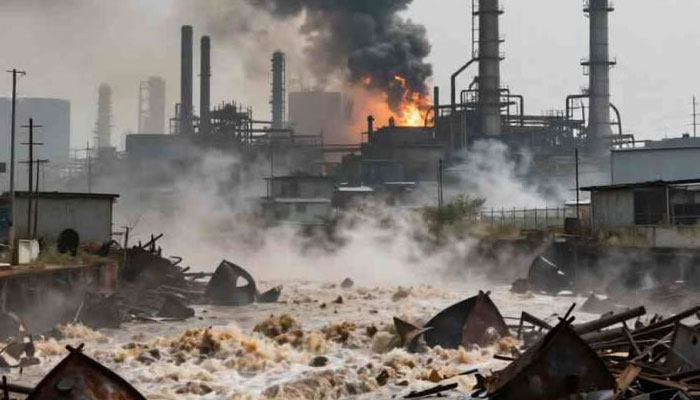
Heavy metal pollution has emerged as one of the most pressing environmental challenges of the 21st century, with recent developments underscoring its growing threat to ecosystems, food security, and human health. From contaminated rivers in Southeast Asia to rising concerns over toxic exposure in Europe, the issue is no longer confined to isolated industrial zones—it is now a global crisis demanding urgent attention.
Heavy metals such as lead, mercury, cadmium, arsenic, and chromium are naturally occurring elements, but human activities have drastically increased their concentration in the environment. Unlike many organic pollutants, these metals are non-biodegradable and persist indefinitely, accumulating in soil, water, and living organisms over time . Industrialization, mining, agricultural chemicals, and improper waste disposal remain the primary contributors to this contamination .
Recent news reports highlight the alarming scale of the problem. In Southeast Asia, toxic runoff from rare earth mining has contaminated major tributaries of the Mekong River, exposing millions of people to hazardous heavy metals. Communities dependent on the river for agriculture and fisheries are witnessing declining fish populations and growing fears about food safety . Experts warn that such contamination could destabilize regional economies and force rural populations to migrate due to loss of livelihoods.
Similarly, concerns over cadmium exposure in Europe have prompted public health measures, including subsidized testing programs. Medical experts caution that dietary exposure to heavy metals is more widespread than previously recognized, with long-term risks including kidney damage and cancer . Meanwhile, emerging contaminants like medium-chain chlorinated paraffins—chemicals with properties similar to heavy metals—are being detected in the atmosphere, raising new questions about air pollution and regulatory gaps .
The health implications of heavy metal pollution are profound. These toxic elements can enter the human body through contaminated water, food, or air, accumulating in tissues and causing chronic illnesses.
Studies indicate that heavy metal exposure is linked to neurological disorders, organ damage, and developmental issues in children .
Environmental impacts are equally severe. Soil contamination reduces agricultural productivity, while polluted water bodies disrupt aquatic ecosystems and biodiversity. A global assessment suggests that up to 17% of cropland may be affected by toxic metal pollution, placing billions of people at risk through food chain contamination . These findings highlight the interconnected nature of environmental and human health risks.
Despite increasing awareness, regulatory responses remain inconsistent and often inadequate. Cross-border pollution, weak enforcement, and the economic incentives of mining and industrial production continue to hinder effective action. Experts emphasize the need for stricter environmental regulations, improved monitoring systems, and sustainable industrial practices to mitigate the crisis.


Comments are closed, but trackbacks and pingbacks are open.