
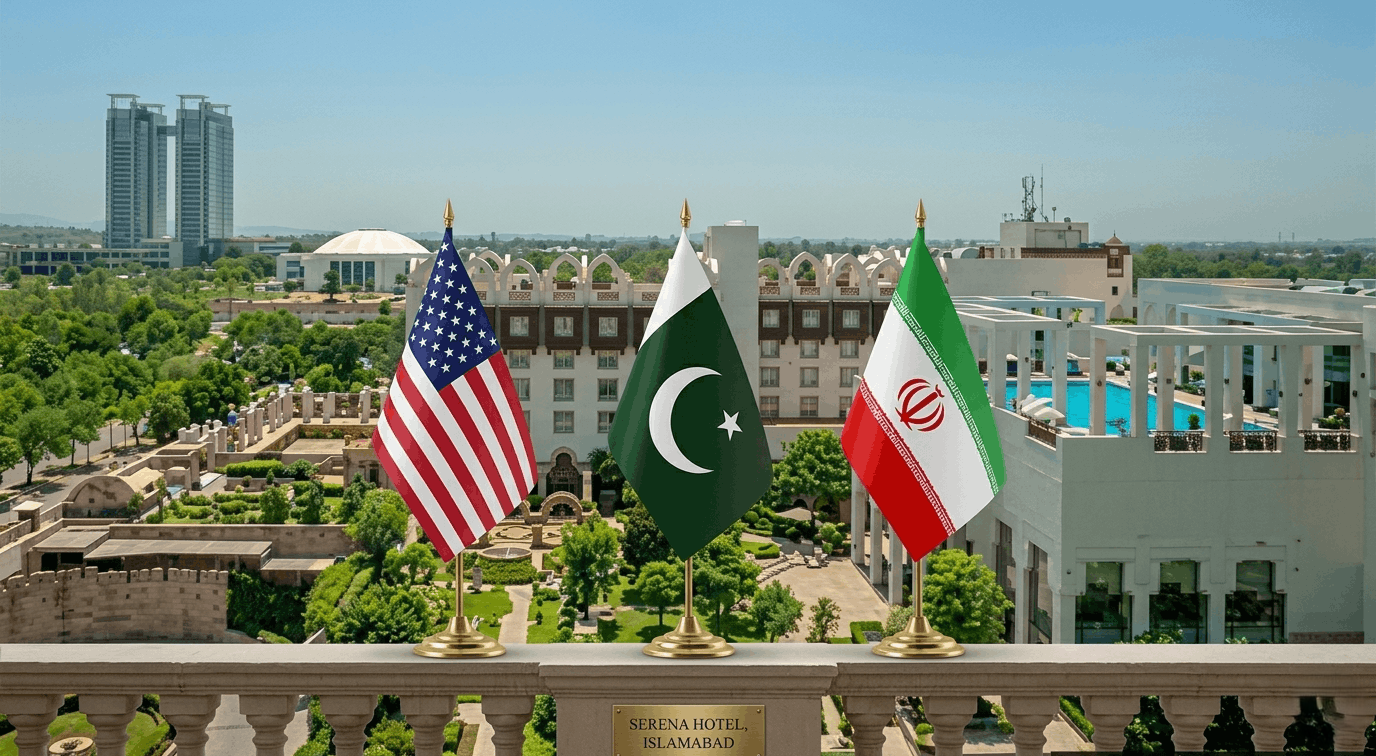

Pakistan’s recent diplomatic engagement in facilitating a ceasefire and bringing Iran and the United States to the negotiating table marks a significant, albeit preliminary, achievement in a highly complex geopolitical landscape. Convincing two long-standing adversaries to pause hostilities and engage in dialogue is no small feat; in fact, it represents the most difficult first step in any conflict resolution process. History shows that many such efforts fail even before talks begin, largely due to deep-rooted mistrust, conflicting interests, and the weight of past grievances.
However, initiating dialogue is only the beginning. The real challenge lies in ensuring that any eventual agreement is implemented in both letter and spirit. Since 1990, thousands of peace agreements have been signed across the world, yet only a small fraction have translated into sustained peace. The reasons are not difficult to discern. Agreements may be drafted on paper, but their success depends on human actors, political will, and the alignment of strategic interests. Without convergence on these fronts, even the most carefully negotiated settlements risk falling apart.
A simple analogy from everyday life helps illustrate this dynamic. When two parties in a neighborhood dispute engage in a fight, the immediate priority is to stop the conflict. Achieving a ceasefire, often through the intervention of a third party, is considered the first success. Yet, this is merely the starting point. What follows is a more delicate phase where both sides present their demands, often influenced by ego, mistrust, and a desire to secure maximum advantage. At this stage, the role of the mediator becomes critical not only to bridge differences but also to establish a balance that is perceived as fair and sustainable.
The current situation between Iran and the United States should be viewed through this lens. The ceasefire and initial talks indicate a willingness, however tentative, to explore diplomatic avenues over confrontation. But expecting a swift and comprehensive peace agreement would be unrealistic. There are multiple layers of complexity that need to be addressed, including security concerns, regional dynamics, and mutual perceptions.
Pakistan’s role as a facilitator in this context deserves recognition. By helping de-escalate tensions and providing a platform for dialogue, it has demonstrated the constructive potential of middle-power diplomacy. That said, the outcome of this process will depend not on the initiation of talks alone, but on their continuity and the seriousness with which both parties approach subsequent negotiations.
At this juncture, patience is essential. Peace-building is inherently a gradual and often fragile process. The initial breakthrough must be nurtured through sustained engagement, confidence-building measures, and a willingness to compromise. If these elements are maintained, there is reason to remain cautiously optimistic about future developments.
In the end, peace is not achieved in a single moment; it is the result of persistent effort, pragmatic decision-making, and mutual restraint. The current progress, while limited, offers a window of opportunity one that must be carefully preserved if it is to evolve into a lasting resolution.
Comments are closed, but trackbacks and pingbacks are open.