
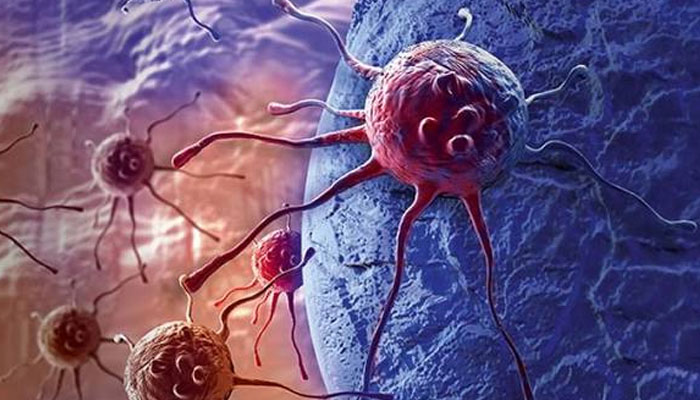
WHO Warns Cancer Burden Rising as Global Cases Surge
Cancer Cases Surge Worldwide as WHO Calls for Urgent Action

Islamabad: (Web Desk) – The World Health Organization (WHO) has raised concerns over the rapidly increasing global cancer burden, warning that the disease is emerging as one of the most serious health challenges worldwide. A new report by WHO and the International Agency for Research on Cancer (IARC) highlights a significant rise in cancer cases and related deaths across the globe.
The report states that nearly 92 percent of the global population will be affected by cancer in some form during their lifetime, while approximately one in five people is expected to develop the disease. More than 20.6 million new cancer cases are reported annually, with almost 10 million deaths recorded each year, making cancer the world’s second-leading cause of death after cardiovascular diseases.
According to the report, the number of annual cancer cases could reach 35 million by 2050, marking an increase of over 40 percent from current figures. Experts attribute this rise to factors including population growth, longer life expectancy, environmental pollution, unhealthy lifestyles and infection-related risks.
In Pakistan, the report highlighted a growing cancer challenge, noting that thousands of children are diagnosed with cancer every year, while breast cancer remains a major concern among women. More than 30,000 women are diagnosed with breast cancer annually, with over 15,000 deaths reported each year. Cervical cancer also continues to affect Pakistani women, with thousands of new cases recorded annually.
Night-Time Cough May Signal Serious Lung Disease, Health Expert Warns
Health specialists emphasized that late diagnosis, limited access to treatment and gaps in healthcare infrastructure are increasing cancer-related deaths, particularly in developing countries. The report pointed out major disparities in cancer survival rates, with wealthier nations achieving significantly better outcomes compared with low-income countries due to stronger healthcare systems and wider access to advanced treatments.
The WHO also warned about the financial and psychological effects of cancer, noting that many patients and families face serious economic difficulties, while a large number experience mental health challenges during treatment.
Experts stressed that stronger prevention programs, early detection strategies and affordable treatment options are urgently needed to reduce the future impact of cancer and prevent it from becoming a larger global health emergency.
Comments are closed, but trackbacks and pingbacks are open.