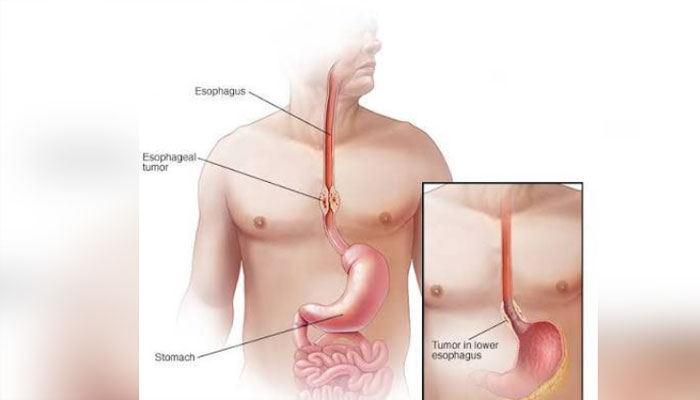
QUETTA: (Staff Reporter) – A new study has identified notable cancer patterns in Balochistan, with esophageal cancer emerging as the most frequently reported cancer among adult men and breast cancer ranking first among women.
The study, jointly conducted by specialists from Aga Khan University Hospital and Arya Institute of Medical Sciences, Quetta, examined 16,342 biopsy samples collected from different parts of the province. Cancer was confirmed in 5,145 samples, with men accounting for 52 percent of the cases and women 48 percent.
Among adult men, esophageal cancer was the most common, with 425 cases making up 17.4 percent of male cancer cases. Stomach cancer followed with 351 cases, while cancers affecting the colon, rectum and anus accounted for 225 cases. Researchers also recorded 223 cases of bladder cancer.
The researchers highlighted the unusually high prevalence of esophageal cancer among men in Balochistan. According to the study, it was nearly four times more common than oral cancer, contrasting with patterns reported nationally and in several other regions where oral cancer is generally more prevalent among men.
Among women, breast cancer topped the list with 526 cases. Esophageal cancer was the second most common, with 434 cases, followed by cancers of the colon, rectum and anus with 125 cases. Oral cancer accounted for 113 cases.
Children and adolescents represented around 7 percent of all confirmed cancer cases, with brain tumours among the more prominent diagnoses in this age group.
The researchers also explored factors that may be associated with the province’s cancer profile. Regular consumption of preserved, salty and dried foods, limited consumption of fresh fruits and vegetables, environmental conditions and opium use were identified as possible contributing factors.
However, the researchers stressed that these factors cannot yet be considered proven causes and said additional research is required to establish any definitive links.
The study also pointed to Pakistan’s lack of a comprehensive national cancer registry, which makes it difficult to determine the actual cancer burden and monitor changing disease patterns, particularly in Balochistan.
Researchers recommended strengthening cancer reporting and record-keeping while conducting further province-wide studies. They also called for clinical, radiological and pathology information to be integrated to develop a clearer picture of cancer trends, potential risk factors and healthcare requirements in Balochistan.



Comments are closed, but trackbacks and pingbacks are open.