
Strait of Hormuz Opens for Commercial Ships During Lebanon Ceasefire
Hormuz Passage Clears as Lebanon Ceasefire Brings Hope to Global Shipping Routes

Strait of Hormuz – (Web Desk) – Iran has announced that the Strait of Hormuz is now fully open for all commercial vessels. This decision is connected to the ongoing ceasefire in Lebanon. The move brings relief to global shipping companies and traders who depend on this critical waterway.
The Ports and Maritime Organisation of the Islamic Republic of Iran made the official announcement. They confirmed that ships must follow a specific coordinated route that was already shared earlier. This route ensures safe and smooth movement of vessels through the strait during the ceasefire period.
The Strait of Hormuz is one of the most important shipping lanes in the world. A large portion of the world’s oil and gas passes through this narrow waterway every single day. Any disruption here directly impacts global energy prices and international trade. So this opening is welcome news for markets worldwide.
The decision is tied directly to the ceasefire timeline in Lebanon. As long as the ceasefire remains in place, commercial ships will be allowed to pass freely. This shows how regional peace agreements can have a positive impact on global trade and economic stability.
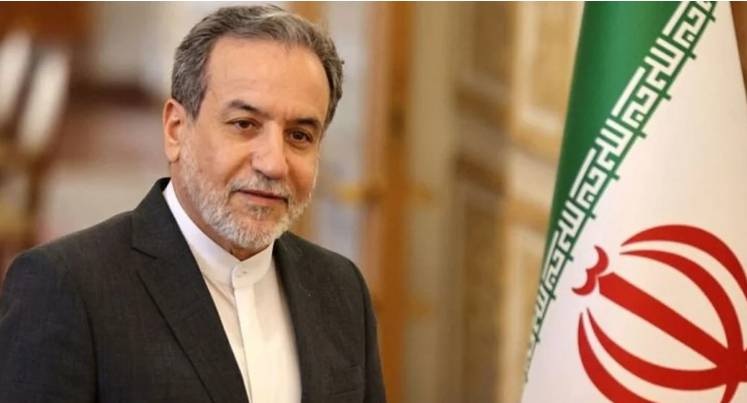
In line with the ceasefire in Lebanon, the passage for all commercial vessels through Strait of Hormuz is declared completely open for the remaining period of ceasefire, on the coordinated route as already announced by Ports and Maritime Organisation of the Islamic Rep. of Iran.
— Seyed Abbas Araghchi (@araghchi) April 17, 2026
For shipping companies, this means they can resume normal operations without fear of interference. Cargo ships, oil tankers, and other commercial vessels can now plan their routes with more confidence.
Pakistani Tanker Exits Hormuz Amid US Blockade Tensions
This development highlights the deep connection between Middle East politics and global commerce. Peace in the region creates safer seas, lower shipping costs, and more stable energy supplies for the entire world.
Comments are closed, but trackbacks and pingbacks are open.