
Semaglutide Shows Promise Against Advanced Fatty Liver Damage
Semaglutide Trial Finds Diabetes and Obesity Drug Could Improve Advanced Fatty Liver Disease

ISLAMABAD: (Web Desk) – A medication already widely used for treating type 2 diabetes and obesity may also help repair liver damage caused by advanced fatty liver disease, according to a new international clinical trial.
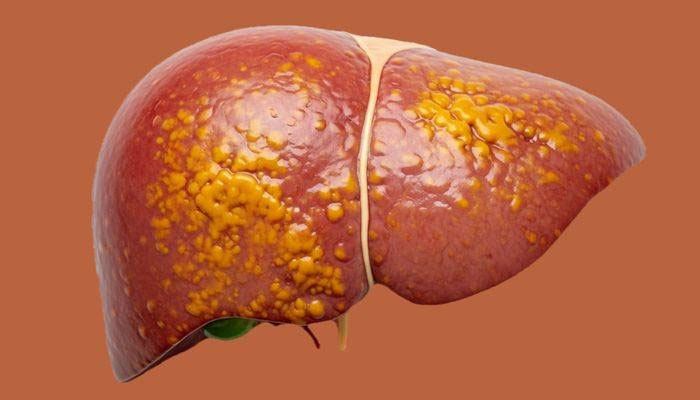
Fatty liver disease has become one of the world’s fastest-growing health concerns, closely linked to obesity, insulin resistance, and type 2 diabetes. In some patients, the condition progresses to metabolic dysfunction-associated steatohepatitis (MASH), where excess fat buildup triggers long-term inflammation and liver damage.
Over time, MASH can lead to liver fibrosis, cirrhosis, liver failure, and even the need for a liver transplant. Treating advanced stages of the disease has remained difficult, especially after significant scarring develops.
Lifestyle changes, including weight reduction, improved diet, and regular physical activity, remain essential parts of treatment. However, effective medicines capable of reversing advanced liver damage have been limited.
A new phase 2 clinical trial led by researchers at the University of California San Diego School of Medicine has provided encouraging results. Published on July 15, 2026, in The Lancet Gastroenterology & Hepatology, the study found that semaglutide, a GLP-1 receptor agonist approved for diabetes and obesity treatment, significantly improved liver fibrosis in patients with advanced MASH.
Teen Withdraws Mental Health Lawsuit Against Meta Before Trial
Semaglutide works by helping control blood sugar, reducing appetite, and supporting weight loss. Researchers believe these effects may also protect the liver by improving two major drivers of fatty liver disease: obesity and insulin resistance.
The trial involved around 700 adults with biopsy-confirmed MASH. Many participants had moderate to severe fibrosis, while some had compensated cirrhosis, an early stage where the liver still maintains much of its normal function.
Researchers initially investigated whether combining semaglutide with the experimental drug zalfermin could produce better outcomes than either treatment alone. However, the combination did not show greater benefits compared with placebo.
Despite this, semaglutide alone delivered positive results. Patients receiving the medication showed significant improvement in liver scarring without worsening the inflammation that contributes to continued liver injury. The improvements were also observed among patients with more advanced disease.
The study also indicated that blood tests and imaging methods could potentially replace frequent liver biopsies for monitoring treatment response. Since biopsies are invasive, expensive, and challenging to repeat, less invasive monitoring methods could improve future care.
Researchers stressed that more evidence is needed before semaglutide becomes a standard treatment for advanced MASH. Larger phase 3 trials will be required to determine whether the drug can prevent disease progression, reduce liver failure risk, or lower the need for transplantation.
Scientists also noted that similar medicines related to zalfermin may still have potential and require further investigation.
Despite the need for additional research, experts say the findings represent one of the strongest indications so far that GLP-1 medications could become an important tool in treating advanced fatty liver disease. Because semaglutide is already widely used and has an established safety record, its possible expansion into liver disease treatment could progress more quickly if future trials confirm the results.
Expert Analysis
The study is considered significant because it involved a large international group of around 700 patients with biopsy-confirmed MASH in a carefully designed phase 2 clinical trial.
Although the findings show that semaglutide can improve liver fibrosis, they do not yet confirm that the medication can prevent liver failure, eliminate the need for transplantation, or extend long-term survival.
However, the results provide strong evidence that targeting metabolic problems such as obesity and insulin resistance through GLP-1 medicines may offer a promising new approach for patients with advanced fatty liver disease.
Comments are closed, but trackbacks and pingbacks are open.