
PMD Weather Warning May 2026: Storms, Rain & Hailstorms Coming to Pakistan
PMD Weather Warning May 2026 — Brace for Heavy Rain, Dust Storms, and Hailstorms Across Pakistan

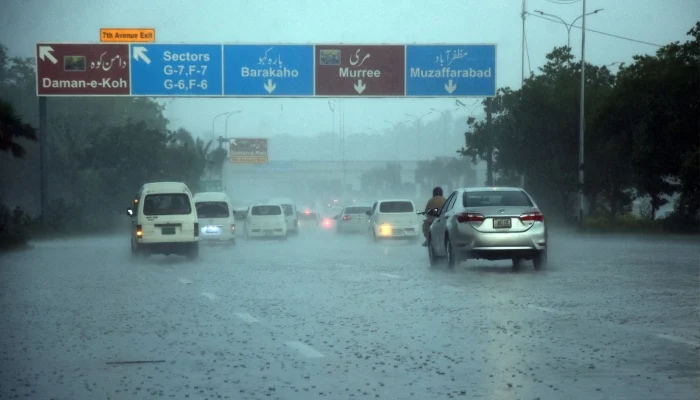
PMD – (Web Desk) – Pakistan’s PMD weather warning May 2026 signals a powerful westerly wave approaching the country. It will arrive on the evening of May 2. The system will stay active until May 5. Many regions will face strong winds, heavy rain, hailstorms, and dust storms. The good news? The intense heat will likely ease during this period.
KP is the most at-risk province. Cities like Peshawar, Swat, Dir, Chitral, Mansehra, and Abbottabad will see dust storms and heavy rain. Hailstorms are also expected. This rough weather runs from May 2 evening through May 4. There may be short breaks in between.
Punjab and Islamabad Are Also in the Warning Zone
Islamabad, Rawalpindi, Lahore, Faisalabad, Sialkot, and nearby cities face dust storms and hailstorms. This weather hits from May 2 evening to the night of May 4. Southern Punjab cities like Multan, DG Khan, and Rajanpur may see windstorms and thunderstorms on May 3 and 4.
Northern Regions Face Rain and Thunder

Gilgit-Baltistan areas — including Hunza, Skardu, and Gilgit — will see rain and thunderstorms. This starts the night of May 2 and lasts until May 5. Azad Kashmir, including Muzaffarabad and Neelum Valley, faces similar conditions with heavy rain and hailstorms.
Balochistan and Sindh Also Affected
Quetta, Zhob, Ziarat, and other Balochistan cities expect windstorms and thunderstorms from May 2 to May 4. Upper Sindh may see dust storms on May 2 and 3.
The PMD has warned of possible landslides. Upper KP, Gilgit-Baltistan, and Kashmir are most at risk. May 3 and 4 are the most dangerous days. People in hilly areas must stay alert.
El Niño Could Affect Monsoon 2026
The PMD also shared a separate but important update. El Niño conditions may develop during the 2026 monsoon season, which runs from June to September. Global climate models strongly support this forecast. This could impact rainfall patterns across South Asia.
Comments are closed, but trackbacks and pingbacks are open.