
Pakistan Mediation Nears Breakthrough in Iran Conflict
Pakistan Pushes Critical Ceasefire Plan Amid Escalating Iran Conflict

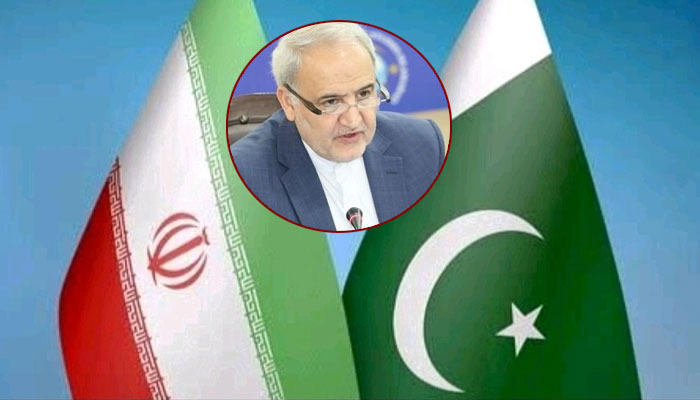
ISLAMBAD: (Web Desk) – In Islamabad, Iran’s ambassador Reza Amiri Moghadam stated that Pakistan’s diplomatic efforts to de-escalate the conflict involving the United States and Israel with Iran have entered a highly critical phase. In a brief message posted on X, he hinted that further developments may soon unfold.
Reports indicate that a potential framework to end hostilities has been drafted with Pakistan acting as a key intermediary. The proposal outlines a two-step approach, beginning with an immediate ceasefire followed by a broader, long-term agreement. The initial understanding is expected to take the form of a memorandum finalized through indirect communication channels facilitated by Pakistan.
According to sources, Pakistan’s Army Chief Asim Munir has been in continuous contact with major stakeholders, including U.S. Vice President JD Vance, envoy Steve Witkoff, and Iranian Foreign Minister Abbas Araghchi, to push negotiations forward.
‘Entire’ Iran could be ‘taken out’ Tuesday: President Trump
The proposed agreement—informally referred to as the “Islamabad Accord”—would involve reopening the strategically vital Strait of Hormuz, followed by detailed talks within 15 to 20 days to finalize a comprehensive settlement.
Despite these diplomatic efforts, tensions remain high. Donald Trump issued a stark warning, threatening severe destruction of Iran’s infrastructure if Tehran does not reopen the strait by the stated deadline. Iranian military officials dismissed the remarks as baseless and reaffirmed their commitment to ongoing operations.
Meanwhile, Israel carried out fresh airstrikes targeting Iranian-linked sites, while Iranian forces reportedly launched missiles in response. Gulf nations including Bahrain and United Arab Emirates activated air defenses amid rising security concerns.
Saudi Arabia confirmed intercepting multiple ballistic missiles targeting its eastern region, with debris falling near sensitive energy infrastructure in Al Jubail, a major industrial hub critical to global energy supply.
On the diplomatic front, the United Nations Security Council is expected to vote on a resolution addressing the crisis, though disagreements among major powers have diluted earlier proposals.
As fighting intensifies, both sides remain firm in their positions. Iran has rejected the current ceasefire proposal, demanding stronger guarantees, while the United States has signaled dissatisfaction with the terms under discussion.


Comments are closed, but trackbacks and pingbacks are open.