
Pakistan Deploys AI, Drones Under NDMA Monsoon Plan
NEOC Pakistan Leads Early Warning Efforts This Season

NDMA – (Staff Reporter/Web Desk) – NDMA monsoon plan is now in full swing as Pakistan braces for a tricky rainy season ahead. At the heart of this effort sits NEOC Pakistan, the country’s main hub for tracking storms, floods, and heatwaves before they strike.
Large screens fill the control room at the National Emergency Operations Center in Islamabad. Maps, weather models, and satellite pictures update in real time. Staff members watch closely, ready to warn people the moment danger builds.
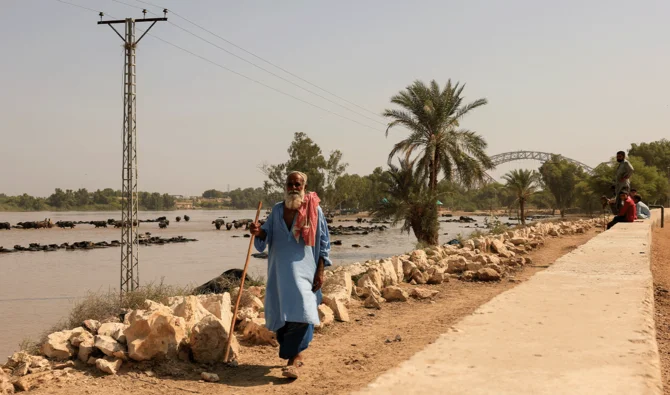
This kind of careful planning was not always the norm. Everything changed after the terrible floods of 2022. Back then, sudden heavy rains caused rivers to burst their banks. More than 1,730 people lost their lives, and a third of the nation ended up underwater at some point.
Now, officials are not waiting for disaster to strike. They are trying to stay one step ahead.
This year, experts say El Nino will shake up rain patterns across the globe, and Pakistan will feel the effects too. Some regions may get soaked, while others may bake under rising heat.
Zahra Hassan, who leads early warning efforts at the center, explained the split clearly. Northern areas should expect heavier rain than last year. Meanwhile, flatter regions like Punjab, Sindh, and Balochistan may face hotter temperatures instead.
Teams inside the facility keep a close eye on rivers such as the Shyok, Hunza, and Ghizer. These waterways are expected to swell as snow and rain increase in the mountains.
Down south, the danger looks different. Farmers there may struggle as extreme heat puts stress on crops during key growing stages, putting food supplies at risk.
To build a full picture, Pakistan gathers information from over 400 satellites around the world, including systems from NASA, Europe, China, and local sources. Skilled analysts then turn this flood of data into simple, useful warnings.
Local governments in every province now work hand in hand with this system, so warnings reach people fast, not days too late.
Hassan Raza, who manages operations at the disaster authority, said each province has built its own response plan this year. These plans focus on the exact places most likely to face trouble.
Supplies have already been moved close to high-risk communities. Seventeen basic relief items are stored nearby, so help does not get stuck in traffic or bad roads during an emergency.
For the first time, drones and helicopters are also part of the toolkit. These tools will watch flooded areas from above and drop supplies where roads cannot reach.
When danger is confirmed, alerts go out fast to 83 different groups, including local charities and provincial teams. A mobile app also shares spoken warnings in eight local languages, while mosques and churches help spread the word in hard to reach villages.
Khyber Pakhtunkhwa, likely to be hit hardest again this year, has built a strong local network. Officials there have connected with community leaders down to the village level, keeping communication open at every stage.
With this level of preparation, Pakistan hopes to face the coming monsoon with more confidence and far less loss.
Comments are closed, but trackbacks and pingbacks are open.