

Pakistan Advances Digital Governance Reform Through NDMP Framework
Government Pushes Provincial NDMP Consultations Before Budget

The federal government has reiterated its commitment to finalizing provincial consultations on the National Digital Masterplan (NDMP) before the presentation of the upcoming federal budget, aiming to accelerate Pakistan’s digital transformation agenda.
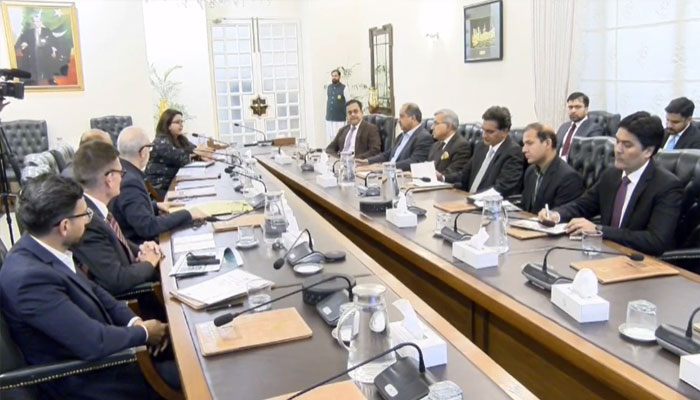
A high-level meeting on the NDMP was co-chaired in Islamabad by Federal Minister for Economic Affairs Ahad Cheema and Advisor to the Prime Minister’s Office Tauqeer Shah. The session reviewed progress on digital governance reforms and coordination between federal and provincial governments.
Senior officials, including Federal Minister for IT and Telecom Shaza Fatima Khawaja, Secretary IT Zarrar Hashim Khan, and Chairman of the Pakistan Digital Authority Sohail Munir, briefed participants on the implementation roadmap of the master plan, which focuses on digital infrastructure, governance, and economic modernization.
Officials emphasized that the NDMP aims to integrate digital solutions across key sectors including education, health, agriculture, taxation, logistics, and public service delivery. The plan is designed to ensure coordinated digital transformation and improved service efficiency across all tiers of government.

Ishaq Dar Reviews Tax Proposals For Federal Budget
During the meeting, Ahad Cheema stressed the importance of provincial cooperation, stating that timely feedback from provinces is essential for effective implementation. He expressed confidence that consultations would be completed before the budget cycle to ensure proper planning and resource alignment.
The proposal to include a dedicated “digital transformation” component in development project PC-1 documents was also reviewed. This measure is intended to ensure that digital integration is embedded into project planning from the outset, similar to environmental considerations in public sector development projects.
The NDMP also envisions strengthening digital skills, expanding connectivity, promoting e-governance, and fostering innovation-driven economic growth. Officials said the initiative would reduce manual processes, improve transparency, and enhance public service delivery nationwide.
Ahad Cheema added that citizens would ultimately benefit from reduced bureaucracy and easier access to government services, highlighting ongoing reforms such as the e-Office Pakistan initiative as examples of successful digital transition efforts.
Comments are closed, but trackbacks and pingbacks are open.