
No Major Damage After 7.2 Japan Earthquake, No Tsunami Warning
Here's the Japan earthquake no tsunami warning meaning explained, after a 7.2-magnitude quake left no major damage.

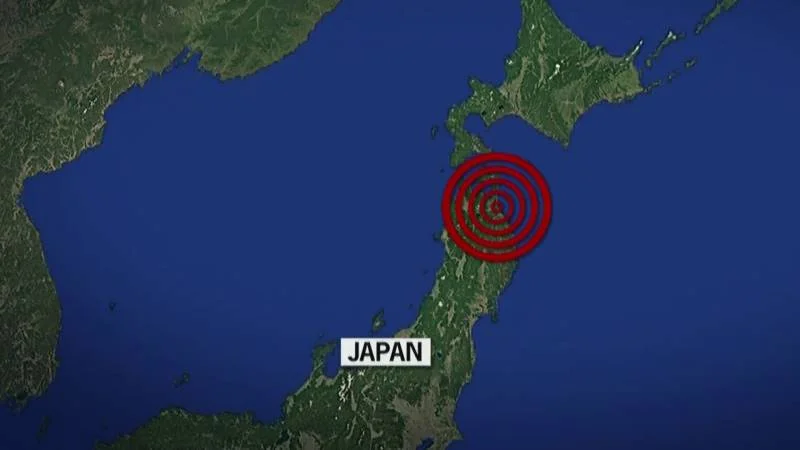
JAPAN – (Web Desk) – A strong earthquake shook northern Japan on Thursday morning, and many people online began searching for the Japan earthquake no tsunami warning meaning right after the ground stopped moving. The quake measured magnitude 7.2 and struck off the coast of Iwate Prefecture. Officials said there was no risk of a tsunami this time.
The Japan Meteorological Agency first reported the quake at magnitude 6.9 before raising it to 7.2. The epicenter sat about 44 kilometers under the seabed, which helped reduce the surface shaking compared to a shallower quake of the same size.
People in Tokyo, hundreds of miles away, also felt the tremor. Even so, no tsunami alert went out anywhere along the coast. That left many residents wondering what this actually meant for their safety.
Understanding the Japan Earthquake No Tsunami Warning Meaning
In simple terms, a tsunami warning only goes out when a quake shifts the seafloor enough to push large amounts of water. This earthquake did not move the ocean floor that way, so the agency saw no need for a coastal alert.
That does not mean the shaking was mild, though. In Hashikami, a town in Aomori Prefecture, the tremor reached upper six on Japan’s seven-step shaking scale. At that level, people can lose their footing, and loose items often fall from shelves.
A local worker said her home only lost a picture frame, but her workplace was not as lucky. Part of the ceiling came down, and the automatic door stopped working, so the company told staff to stay home for the day.
Television footage showed kitchen cupboards that had spilled pots and pans onto the floor, along with toppled goods inside local shops. A school in the same town closed for the day as a safety step.
Bullet train services paused for a while, and emergency crews took several calls, including one about people stuck in an elevator. A fuel tanker also tipped over, though no serious injuries have been tied to it.
So far, no deaths or major injuries have been confirmed. A government spokesperson said teams were still checking the wider area for damage and would share updates as new details came in.
Checks at nearby nuclear plants found nothing unusual. That will likely ease some public worry, given the region’s history with the 2011 disaster.
Prime Minister Sanae Takaichi asked residents in the hardest-hit areas to stay alert for more strong aftershocks. Japan sits on several tectonic plates, so quakes of this size are not rare, even if each one still feels unsettling.
For now, the takeaway is simple. Strong shaking does not always mean a tsunami follows, and knowing the Japan earthquake no tsunami warning meaning can help people stay calm instead of panicking the next time the ground moves.
Comments are closed, but trackbacks and pingbacks are open.