
Nabih Berri Ceasefire Response Stalls US Plan to Ease Israel-Lebanon Tensions
Nabih Berri Ceasefire Response Leaves US Officials Deeply Disappointed

Lebanon vs Israel – (Web Desk) – The United States pushed hard for peace between Israel and Lebanon, but the Nabih Berri ceasefire response threw a cold bucket of water on those hopes. Secretary of State Marco Rubio personally called both Lebanese President Joseph Aoun and Israeli Prime Minister Benjamin Netanyahu to move things forward. But Berri, the Lebanese Parliament Speaker, refused to give a straight answer.
Washington laid out a simple two-step plan. First, Hezbollah stops all attacks on Israel. Second, Israel holds back from striking Beirut. The idea was to open a window for calm, then slowly build toward a full stop of fighting. Clean, clear, and fair to both sides.
President Aoun tried his best to push this plan forward. He worked the phones and pushed for agreement. But Berri, who claimed he could speak for Hezbollah, put the whole burden on Israel. He said Israel must stop shooting first. US officials called his reply “evasive and disappointing.”
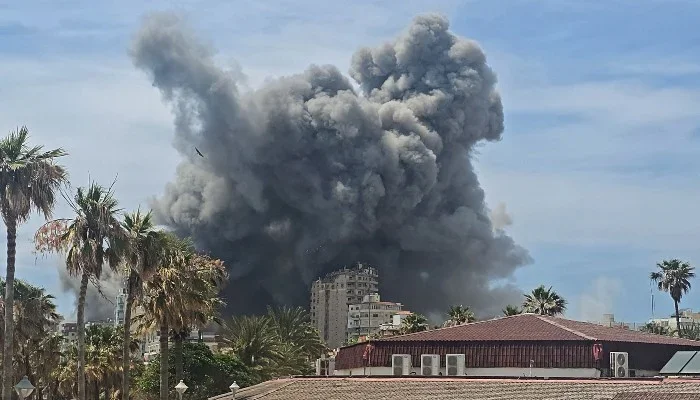
While talks were happening, Israeli troops were still moving. They seized the 900-year-old Beaufort Castle and took over a key ridge in southern Lebanon. This came after one of the heaviest days of Hezbollah rocket fire since the April ceasefire. Schools in northern Israel shut down. Families stayed indoors.

Netanyahu made it clear he will not ask his soldiers to absorb rocket attacks while diplomats talk. The US backed that position. No country should have to watch its civilians come under fire and do nothing.
American officials believe Hezbollah is not acting in Lebanon’s interest. It is taking orders from Iran. While Lebanese families are displaced and dying, Hezbollah keeps firing. Over 3,400 people have been killed in Lebanon since early March. More than a million have been forced to leave their homes.
The US said it plainly: the fastest way to protect people on both sides is for Hezbollah to stop firing right now.
Even with this setback, new meetings are planned. Israel and Lebanon, two countries that do not even have formal diplomatic relations, are set to meet in Washington on June 2 and 3. The window for peace is still open. But someone has to walk through it.
Comments are closed, but trackbacks and pingbacks are open.