

Israel election commission rejects Netanyahu’s fraud claims against Arab parties
Officials say an audit found no harm to the vote, while President Herzog begins talks that will decide who gets the first chance to form a government.

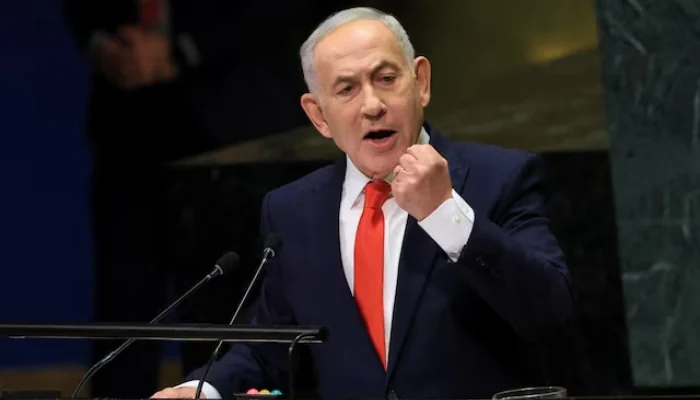
Israel Election Commission – (Special Correspondent/Web Desk) – The Israel election commission rejects fraud claims made by Prime Minister Benjamin Netanyahu against Arab parties. The decision came on Wednesday, after a divisive vote that left no clear winner.
The Central Elections Committee said it checked 9,069 polling stations after complaints came in. It said the announced results truly reflect what voters chose.
The committee also said it reviewed every complaint sent in by political groups. It found nothing that harmed the fairness of the election.
Netanyahu has said again and again that Arab-majority parties cheated. He pointed to people arrested with envelopes of cash on election day. He later claimed some lawmakers took money from Qatar.
On Tuesday, Attorney General Gali Baharav-Miara said she would not question anyone without evidence. This followed reports that the Shin Bet chief, an ally of Netanyahu, wanted to interrogate Arab parties.
Netanyahu’s Likud party attacked her. It said she was blocking the investigation and covering up a serious case.
Opposition leader Gadi Eisenkot hit back. He accused Likud of waging a “pogrom against democracy”. Yair Lapid, a former prime minister, said a unity government led by Netanyahu was now impossible.
At noon (1000 GMT), President Isaac Herzog will receive the official results of the October 27 election. He will then hold two days of talks with party leaders, starting with the smaller ones.
Neither side has the 61 seats needed in the 120-seat parliament. Netanyahu’s bloc holds 53 seats, while Eisenkot’s bloc has 48.
Arab parties surged to 19 seats, so they could decide the outcome. Some opposition members still do not want to rely on their votes.
Herzog’s role is mostly ceremonial, but he picks who gets the first try. That person will have 28 days to build a government, with a possible 14-day extension.
If that fails, another person gets a turn. If that also fails, Israel may head to new elections.
Netanyahu faces corruption charges. He could risk jail if he loses power.
Comments are closed, but trackbacks and pingbacks are open.