
Iran’s Araqchi Presses Bulgaria Over Bezmer Air Base, Warns Cyprus Too
Tehran warns Sofia and Nicosia as tensions rise over US military access to European bases

IRAN – (Special Correspondent/Web Desk) – Iran’s Araqchi presses Bulgaria to rethink its decision allowing US military planes to use the Bezmer air base, according to reports from Iranian state media on Thursday. The call adds to growing friction between Tehran and European nations tied to Washington’s regional operations.
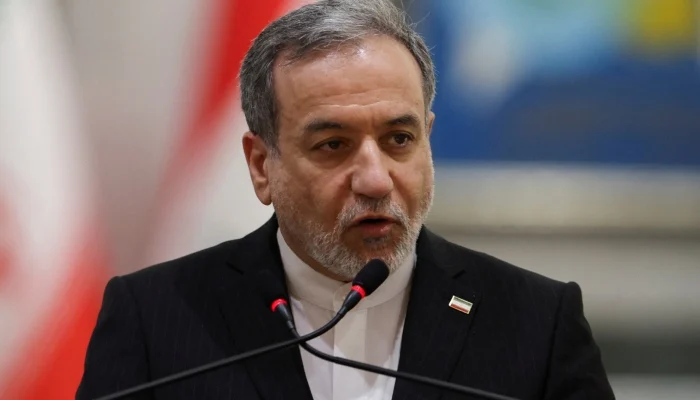
Foreign Minister Abbas Araqchi spoke directly with his Bulgarian counterpart, Velislava Petrova-Chamova, over the phone. He told her that letting the US station aircraft at Bezmer amounts to helping actions against Iran. He called the choice unacceptable and said it goes against the long history of goodwill between the two nations.
This isn’t the first time Iran has raised concerns about foreign soil being used to support US military moves. Tehran has cautioned several countries in the past that hosting such operations could bring serious consequences their way.
Araqchi didn’t stop with Bulgaria. He also placed a separate call to Cyprus, speaking with Foreign Minister Constantinos Kombos. During that conversation, he pushed for Cyprus to keep foreign bases on the island from being used in any way against Iran.
Bulgaria’s lawmakers had already given the green light last week. Parliament approved letting up to eight US KC-135 refueling planes, along with roughly 250 personnel, operate out of Bezmer air base. Officials in Sofia were quick to clarify their position. They stated no offensive weapons would be part of the deal, and the arrangement wouldn’t pull Bulgaria into any active military role.

Cyprus, meanwhile, remains home to two British sovereign bases. One of them, RAF Akrotiri, came under fire from an Iranian drone back in early March. That strike happened just days after Israel and the US launched their own attacks on Iranian targets.
Britain had earlier agreed to a US request allowing British bases to support defensive action against Iranian missile threats, including stored weapons and launch sites. London later stepped back from including Akrotiri specifically in that defensive arrangement with Washington.
The wider defense setup between Britain and the US stayed in place even after Andy Burnham took over as the new Prime Minister in July. That decision didn’t sit well with Iran’s Revolutionary Guards, who issued their own warning to Britain about the risks of aiding US military efforts against Iran.
As tensions across the region continue to simmer, Iran’s diplomatic pressure on smaller European nations shows no signs of slowing. Whether Bulgaria or Cyprus will shift their stance in response remains uncertain, but Tehran has made its position clear: any support for US operations carries a cost.
For now, both countries appear to be holding firm on their existing commitments, leaving the standoff unresolved as the situation develops further in the weeks ahead.
Comments are closed, but trackbacks and pingbacks are open.