
Iran Israel Exchange Strikes As Truce Faces Pressure
Fresh Iran-Israel Strikes Raise Fears Of Wider Regional Conflict

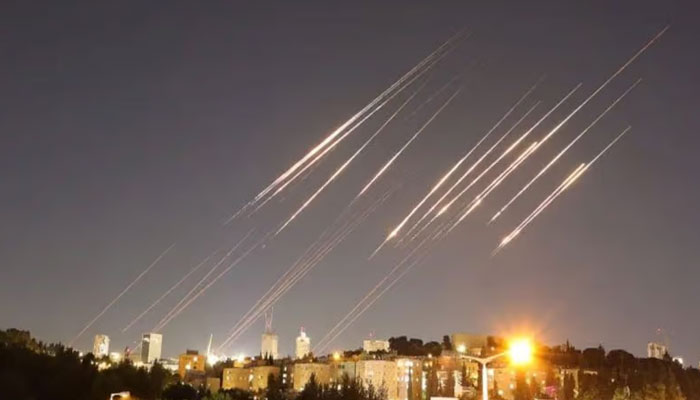
Israel said it carried out strikes on multiple targets inside Iran, including locations in western and central parts of the country. Iranian state media reported explosions in several cities, including Tehran, following the attacks.
The Israeli action came after Iran launched a barrage of missiles toward Israel a day earlier. Israeli authorities said all incoming missiles were intercepted and no casualties were reported.
The renewed exchange of fire occurred despite efforts by US President Donald Trump to prevent further escalation. According to media reports, Trump urged Israeli Prime Minister Benjamin Netanyahu to avoid retaliatory action, arguing that both sides had already exchanged strikes and should refrain from deepening the conflict.
International calls for restraint quickly followed. British Foreign Secretary Yvette Cooper urged all parties to prioritize diplomacy, warning that renewed fighting would further destabilize the region.
Iranian officials defended their actions, describing the missile strikes as a response to recent Israeli operations in Lebanon. Tehran warned that any future attacks on Beirut or Iranian interests could trigger a broader military response across the region.
Iran Israel Attack Today: Both Nations Exchange Air Strikes, Rattling Ceasefire
The situation intensified further after Iran reportedly launched strikes against targets in Iraq’s Kurdistan region, while Israel said it was also monitoring and intercepting missile threats originating from Yemen.
The latest escalation follows an Israeli strike in Beirut’s southern suburbs, which Lebanese authorities said resulted in casualties and injuries. Iran strongly condemned the attack and accused both Israel and the United States of contributing to regional instability.
Amid growing tensions, several countries in the region implemented precautionary measures. Iran temporarily restricted airspace operations in parts of the country, while neighboring Iraq and Syria also introduced airspace controls.
The security situation has also affected global energy markets, with oil prices rising as concerns grow over disruptions to shipping routes and the continued closure of key regional waterways.
Meanwhile, diplomatic efforts remain underway. Pakistan has continued its engagement with both sides, with Interior Minister Mohsin Naqvi recently visiting Tehran to deliver messages from Pakistan’s leadership aimed at supporting dialogue and reducing tensions.
Despite ongoing mediation attempts, negotiations between Tehran and Washington remain stalled, leaving uncertainty over the prospects for a lasting resolution to the conflict.
Comments are closed, but trackbacks and pingbacks are open.