
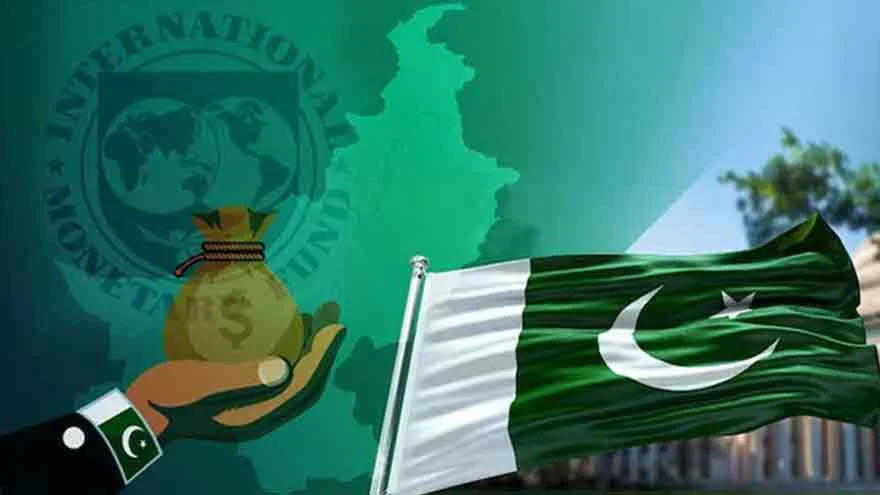

IMF – (Special Correspondent/Web Desk) – The IMF mission Pakistan September 23 visit is about to begin, bringing a fresh round of economic talks to Islamabad. The team will stay in the country for nearly two weeks, wrapping up in the first week of October.
This trip matters a lot for Pakistan’s finances. The visiting officials, led by Iva Petrova, will check how well the country has stuck to the rules of its $7 billion loan programme, known as the Extended Fund Facility. They will also look at a smaller, climate-focused loan worth $1.4 billion.
For the main loan, this will be the fourth check-up. For the climate fund, it will be the third. Both reviews cover the six months ending in June this year.
The visit will start at the State Bank of Pakistan, where staff will hold detailed technical talks. After that, the team will meet different government departments to go over specific areas of the economy. A meeting with Finance Minister Muhammad Aurangzeb is also expected early in the trip, as is usual for these visits.
One big focus this time will be tax collection. The Federal Board of Revenue is under pressure to hit its first-ever six-month revenue target under this loan deal. Given how often the tax body has missed yearly goals in the past, this benchmark is being watched closely.
There is another twist this round. Provincial governments recently gave up more than one trillion rupees of their usual share from the federal pool. This money was handed over for security and water projects. It comes on top of a separate cash surplus that provinces already agreed to under pressure from the lender.
So far, Pakistan has mostly stayed on track with money-related targets. But there have been a few slip-ups. The government stepped into the wheat and sugar markets, something it had promised not to do under the loan terms.
If the review goes well, Pakistan stands to receive close to one billion dollars from the main loan and another two hundred million from the climate fund. This money would likely arrive by late November or early December.
Not everything is moving smoothly, though. Reports suggest that while money-related targets are mostly met, progress on cleaning up governance has been slow. Out of more than three dozen goals set to fight corruption, only a couple have actually been achieved.
These goals were set after an earlier IMF study found serious gaps in how Pakistan handles corruption risks. One ongoing problem is how state-owned companies award contracts. Even though new rules were introduced to make bidding more open, many contracts are still handed out without proper competition.
There have also been cases where tenders were published only after a project was already finished, usually going to contractors chosen in advance. This defeats the purpose of open bidding and raises questions about fair pricing.
Rules meant to stop this kind of favoritism are still waiting to be passed.
Despite these gaps, the lender’s local representative had earlier praised Pakistan’s reform efforts, calling the progress under the 2024 loan programme strong so far.
As the mission begins its visit, all eyes will be on whether Pakistan can close these gaps in time, and whether the country secures the next round of much-needed funding.
[…] (News Desk) – The Pakistan Institute of Legislative Development and Transparency (PILDAT) has conducted a National Citizen Survey highlighting growing public concerns over the […]