
High cholesterol silent risk threatens heart health
High cholesterol remains silent risk increasing heart disease danger

ISLAMABAD: (Web Desk) – High cholesterol is widely described by health experts as a “silent” condition that can develop over many years without noticeable symptoms, while gradually increasing the risk of life-threatening complications affecting the heart and brain.
Doctors warn that many individuals only become aware of the problem once it has already progressed into serious conditions such as Heart disease or Stroke.
Cholesterol is a fat-like substance found in the blood, produced by the liver and also obtained through foods such as meat, fish, eggs, and dairy products. While it plays an essential role in hormone production, cell structure, and vitamin D synthesis, excessive levels can become harmful.
World Health Day: Kaspersky Warns of Data Breach Risks in Telemedicine
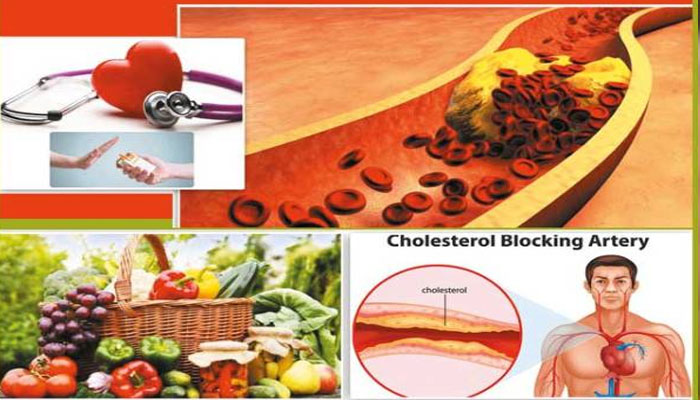
Medical experts explain that cholesterol is divided into HDL, known as “good” cholesterol, which helps remove excess fat from the bloodstream, and LDL, known as “bad” cholesterol, which can build up in arteries. This buildup can lead to a condition known as Atherosclerosis, where blood vessels become narrowed and hardened.
Because it develops silently, high cholesterol is often called a “silent killer.” However, when arteries become severely blocked, symptoms such as chest pain, shortness of breath, leg discomfort, heart attack, or stroke may appear.
Health specialists stress the importance of early screening through regular lipid profile tests, especially for people with diabetes, high blood pressure, obesity, or smoking habits.
Doctors also recommend lifestyle changes including a balanced diet, reduced intake of fatty foods and red meat, increased fiber consumption such as oats, lentils, and fruits, and limiting egg yolk intake. Regular exercise, including at least 30 minutes of brisk walking daily, is also advised to help maintain healthy cholesterol levels.
Experts emphasize that since the condition progresses silently, routine testing combined with healthy lifestyle habits remains the most effective way to prevent long-term complications.
[…] Why BMI May Not Tell the Full Story […]