

For generations, cash was the language of Pakistan’s marketplace. A customer opened his wallet, a shopkeeper counted notes, change was returned, and the transaction was complete. Whether it was a roadside tea stall, a grocery shop or a large retail outlet, money changed hands physically.
That habit is now being challenged by something far smaller than a bank branch: a mobile phone.
Pakistan is quietly moving towards a digital payments economy, and the scale of this transformation is much larger than many people realise.
According to the State Bank of Pakistan’s latest Payment Systems Quarterly Review, during January-March 2026, retail payments through the formal banking system reached 3.7 billion transactions worth Rs168.8 trillion. Digital channels accounted for 92 per cent of these transactions by volume, with 3.4 billion digital transactions worth Rs68.3 trillion.
These are not merely banking statistics. They represent a change in everyday behaviour.
Mobile banking applications and digital wallets have become major engines of this transformation. During the same quarter, banking apps and e-money wallets processed approximately 2.89 billion transactions worth Rs41.67 trillion. Pakistan’s instant payment system, Raast, processed 742 million transactions worth Rs23.27 trillion.
Think about what this means for an ordinary Pakistani.
A small shopkeeper can receive payment without keeping large amounts of cash. A freelancer can receive money electronically. A student can receive funds from home almost instantly. A customer can pay at a restaurant without searching for change. A small entrepreneur can send money to a supplier without travelling to a bank.
The mobile phone is gradually becoming a financial instrument.
But every revolution creates new responsibilities.
The greatest challenge for digital payments is not technology. It is trust.
A person who loses cash knows exactly what has happened. A person whose digital account is compromised may not even understand how the money disappeared. Fraudulent calls, fake links, stolen passwords and social-engineering scams can turn convenience into a financial nightmare.
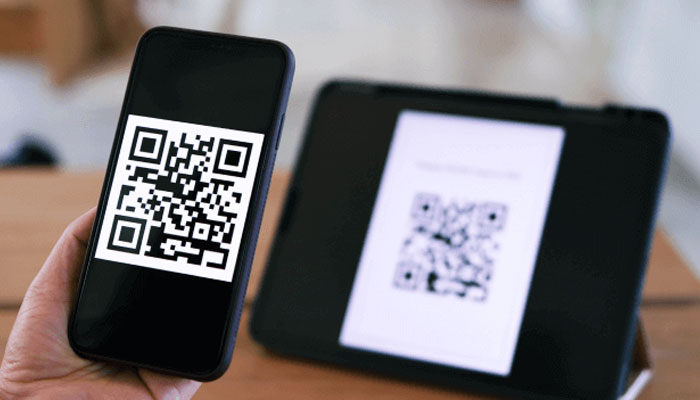
This means Pakistan cannot build a digital economy simply by putting QR codes on shop counters. It must simultaneously build digital literacy, consumer protection and cyber-security awareness.
The elderly deserve particular attention. A young person may understand passwords, authentication codes and mobile applications almost instinctively. For an older citizen who has spent decades dealing in cash, the same system can appear complicated and intimidating.
The answer is not to leave such people behind.
The answer is to teach them.
There is another important dimension to digital payments: documentation.
Cash transactions often disappear from the formal economic record. Digital transactions leave a trail. If handled responsibly, this can help businesses maintain records, improve access to formal finance and give policymakers a clearer picture of economic activity.
But documentation should not become intimidation.
If citizens begin to believe that every digital payment exists only to increase taxation or surveillance, some will continue to prefer cash. Trust must therefore remain at the centre of the digital transition.
Raast is particularly important because it was designed as Pakistan’s national instant payment system, allowing individuals, businesses and government entities to make real-time digital payments across participating institutions.
Pakistan’s young population could become the biggest beneficiary of this transformation. The digital economy is creating opportunities in freelancing, e-commerce, software development, online education, digital marketing and creative industries.
A young Pakistani sitting in a small town can potentially sell a service to a customer thousands of kilometres away.
That is a profound change.
Yet access alone is not enough. A smartphone without skills is merely a sophisticated entertainment device. A digital wallet without financial awareness can become a vulnerability. And internet access without opportunity can produce frustration rather than prosperity.
Pakistan therefore needs to think beyond becoming a “cashless” country. It needs to become a digitally capable country.
The goal should be an economy in which payments are fast, affordable, secure and accessible to everyone—from the multinational corporation to the roadside vendor.
Perhaps the most interesting part of this transformation is that it is happening quietly.
There are no giant factories being built. No massive highways are being inaugurated. No dramatic headlines announce each individual transaction.
Yet millions of financial decisions are changing every day.
The Pakistani marketplace is gradually moving from the sound of coins and the counting of notes to the silent confirmation of a mobile screen.
Soon, the most common question at a shop may no longer be:
“Do you have change?”
It may simply be:
“Where is the QR code?”
Comments are closed, but trackbacks and pingbacks are open.