
BNU Launches Student Welfare, Anti-Drug Frameworks Nationwide
Punjab Backs BNU’s Anti-Drug Campus Initiative

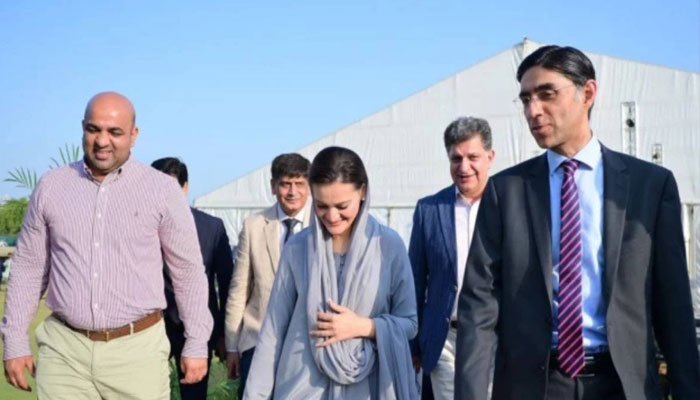
The launch ceremony, held on June 13, was attended by Senior Punjab Minister Marriyum Aurangzeb, Provincial Minister for School and Higher Education Rana Sikandar Hayat, vice chancellors from public and private universities, senior government officials, representatives of the Anti-Narcotics Force (ANF), the Punjab Counter Narcotics Force (CNF), and leading mental health experts.
The two publications—From Risk to Resilience: BNU Substance Use Control Program and Campus Care: A Guide to Psychological First Aid—are designed to provide educational institutions with practical tools to address substance use, psychological distress, and student vulnerability through prevention, intervention, and support mechanisms.
BNU has become the first university in Pakistan to formally document a comprehensive best-practice framework for establishing a drug-free campus. The initiative moves beyond traditional punitive approaches by emphasizing empathy, support, awareness, and rehabilitation alongside enforcement measures.
According to BNU Vice Chancellor Dr. Moeed Yusuf, the project was developed in response to growing concerns about substance use, mental health challenges, self-harm incidents, and the lack of structured support systems available to students. He stressed that substance use should be viewed as a broader societal issue rather than a challenge confined solely to educational institutions.
The university identified several key factors contributing to student vulnerability, including childhood and family trauma, unhealthy peer relationships and pressure, and communication gaps between students and academic staff. The manuals aim to help institutions better understand and address these underlying causes.
The Punjab government welcomed the initiative and pledged support for expanding the framework to other educational institutions. Authorities noted that the model aligns with ongoing efforts to combat narcotics and strengthen student welfare across the province.
The Higher Education Commission (HEC) has also moved to establish a dedicated committee under the leadership of Dr. Moeed Yusuf to explore the adoption of similar frameworks across universities nationwide.
Education and Peace: Why One Cannot Survive Without the Other
Speaking at the event, Marriyum Aurangzeb praised BNU for challenging longstanding taboos surrounding substance use and student wellbeing. She described the initiative as an empathy-driven model that prioritizes resilience, awareness, and care while complementing enforcement efforts.
Rana Sikandar Hayat echoed these sentiments, emphasizing the importance of educational environments that safeguard both the mental and physical wellbeing of students. He said the manuals demonstrate how institutional commitment and effective policymaking can address complex challenges facing young people today.
The initiative received widespread support from academic leaders and policymakers, who described it as a national milestone in promoting student welfare, mental health awareness, and safer campuses throughout Pakistan.
Comments are closed, but trackbacks and pingbacks are open.