
Yonz Technology Pakistan Explores Solar Manufacturing Opportunities Under CPEC Phase 2
Chinese clean energy cooperation could help Pakistan produce solar components locally, develop technical skills and reduce reliance on imported equipment.

Changzhou – (Staff Reporter/News Desk) – Yonz Technology Pakistan could open new opportunities for the country’s solar industry as Chinese clean energy companies explore ways to support local manufacturing. This cooperation could help Pakistan produce solar components, develop technical skills and reduce its reliance on imported equipment under the second phase of the China-Pakistan Economic Corridor (CPEC).
Pakistan has seen growing interest in solar energy as businesses and households look for more affordable and reliable power sources. This rising demand has also created opportunities for investment in solar equipment and related manufacturing.
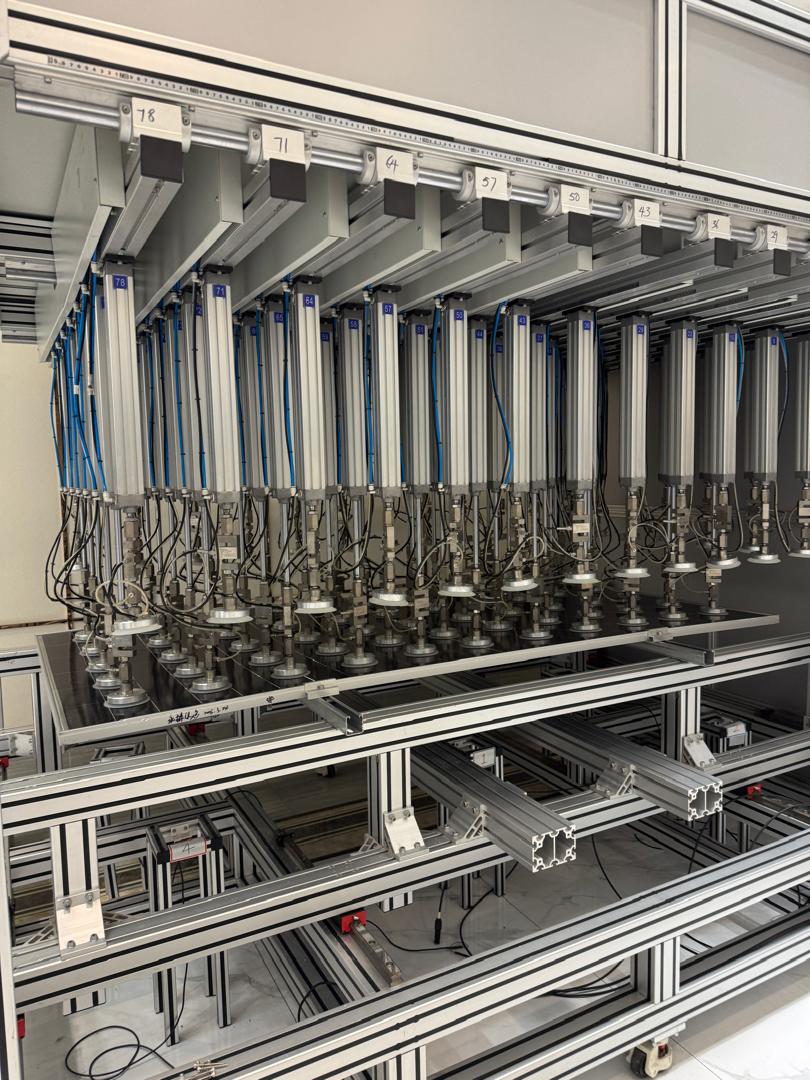
Yonz Technology Co., Ltd., a Chinese manufacturer of photovoltaic (PV) structural materials, is exploring potential opportunities in Pakistan. The company specialises in products used to support and install solar panels.
Headquartered in Jintan, Changzhou, China, Yonz Technology manufactures high-strength aluminium frames, solar mounting systems and other structural components. These products play an important role in solar power installations by keeping panels secure and stable.
The company operates automated manufacturing facilities in China and has also established a manufacturing presence in Vietnam. Its experience could offer useful opportunities for cooperation with Pakistani businesses if suitable investment plans move forward.
Potential cooperation could support local production, technical training and the development of a domestic supply chain for solar equipment. However, these opportunities remain under consideration and should not be treated as a confirmed investment agreement.
Local Solar Manufacturing Could Reduce Import Dependence
Pakistan relies on imported equipment and components to meet many of its solar energy needs. Developing local manufacturing could help the country meet part of this demand through domestic production.
Chinese companies could share their experience in aluminium processing, product design and automated manufacturing. Pakistani businesses could use this knowledge to establish facilities for producing aluminium frames and solar mounting structures.
Local production could also create jobs and support the growth of related industries. These may include metal processing, engineering, equipment maintenance, transportation and solar installation services.
A stronger domestic supply chain could also help businesses access essential components more easily. In the long term, local production may reduce some costs and improve the availability of solar equipment, depending on investment levels and manufacturing efficiency.
CPEC Phase 2 Could Support Industrial Cooperation
The second phase of CPEC places greater emphasis on industrial development, investment, technology cooperation and sustainable economic growth. Cooperation between Chinese companies and Pakistani industries could support these goals.
Rather than focusing only on energy projects, both countries could explore opportunities to manufacture renewable energy equipment in Pakistan. This approach could help connect clean energy development with local industry and employment.
A proposed Sino-Pakistan Clean Energy Innovation Centre or green industrial park could provide a platform for this cooperation. Such an initiative could bring together Chinese companies, Pakistani manufacturers, universities and technical training institutions.
The platform could help businesses share knowledge, explore investment opportunities and develop practical solutions for the country’s renewable energy sector.
Technical Training Could Create New Opportunities
A skilled workforce would be essential for developing a strong solar manufacturing industry. Pakistani engineers and technicians could benefit from specialised training in modern production methods.
Training programmes could cover aluminium processing, automated machinery, product testing, quality control and solar installation safety. These skills could help workers meet industry standards and operate advanced manufacturing equipment.
Technical institutions could work with Chinese companies to design training courses based on industry needs. Such partnerships could also create new employment opportunities for young people entering engineering and technical fields.
Research Could Improve Solar Equipment Quality
Pakistan’s climate presents several challenges for solar equipment. High temperatures, dust and environmental conditions in different parts of the country can affect the performance and durability of solar installations.
Joint research between Chinese manufacturers and Pakistani universities could help develop products suited to local conditions. Researchers could explore stronger aluminium frames, improved mounting systems and materials that can withstand harsh weather.
These efforts could improve the reliability of solar installations and support the long-term growth of renewable energy projects.
Benefits for Pakistan and Chinese Companies
Cooperation with companies such as Yonz Technology could help Pakistan build manufacturing expertise and expand its clean energy industry. It could also encourage investment in engineering, research and technical education.
For Chinese companies, partnerships with Pakistani businesses could create opportunities to enter a growing market and expand their international operations.
However, achieving these benefits would require clear investment plans, suitable policies, reliable infrastructure and cooperation between public and private institutions.
If developed through practical partnerships, solar manufacturing could become an important part of Pakistan’s industrial growth. It could also help the country turn rising demand for renewable energy into new opportunities for local businesses, skilled workers and long-term economic development.
Comments are closed, but trackbacks and pingbacks are open.