
WHO Resumes Pandemic Treaty Talks Amid Ebola Concerns
WHO Members Restart Pandemic Treaty Negotiations as Ebola Outbreak Raises Urgency

NEW YORK: (News Desk) – Member states of the World Health Organization (WHO) have launched another effort to finalize the unfinished section of the global pandemic treaty, with the recent Ebola outbreak adding fresh urgency to the negotiations.
Countries are divided over the practical implementation of the pandemic agreement, with developed and developing nations holding different positions during talks at WHO headquarters.
The treaty was formally adopted in May 2025 after years of negotiations, but a key component known as the Pathogen Access and Benefit-Sharing (PABS) system was left unresolved to secure agreement on the broader framework.
The PABS mechanism is designed to establish rules for sharing access to pathogens with pandemic potential while ensuring that benefits developed from those pathogens, including vaccines, diagnostic tests and treatments, are distributed fairly.
The section was expected to be completed before May 2026, but negotiations have moved slowly, with repeated late-night discussions yielding only limited progress. Diplomats from smaller nations have faced additional challenges due to limited resources and staffing at international meetings.
The latest two-week negotiation session, running until July 17, marks the seventh round of discussions aimed at completing the remaining provisions.
WHO Director-General Tedros Adhanom Ghebreyesus urged countries to remain committed to reaching a final agreement, saying that while differences remain, nations must continue working toward a shared goal.
120 Dead in Latest Sudan Cholera Outbreak as WHO Warns of Worsening Crisis
He called for a future where pathogen samples and scientific information can be exchanged quickly and where the benefits of medical discoveries reach vulnerable populations fairly and without delay.
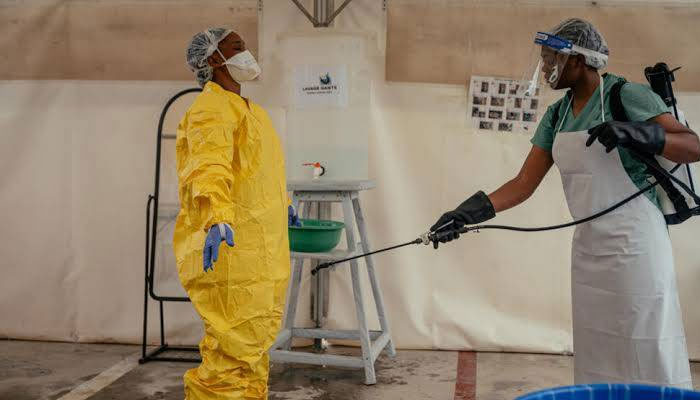
Tedros pointed to the Ebola outbreak in the Democratic Republic of Congo as a reminder that new health threats can emerge unexpectedly. The outbreak has recorded 1,528 confirmed cases, including 492 deaths, and has spread into neighbouring Uganda.
“Every month that this annex remains unfinished is a month the world stays less prepared than it could be,” Tedros warned, stressing the importance of stronger global health cooperation.
He also highlighted a recent hantavirus outbreak linked to the cruise ship MV Hondius as another example of how health emergencies can arise suddenly and unpredictably.
The pandemic treaty negotiations began after the Covid-19 crisis exposed weaknesses in global coordination, vaccine access and emergency response systems. The agreement aims to strengthen international preparedness and prevent a repeat of fragmented responses during future pandemics.
Countries will only be able to begin ratifying the treaty once the PABS annex is completed and finalized.
Comments are closed, but trackbacks and pingbacks are open.