
Pakistan China Discuss Joint Vaccine Production Partnership
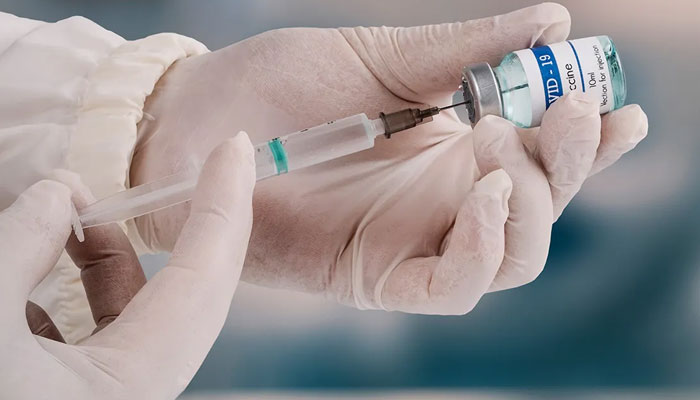
Mustafa Kamal Proposes Pakistan China Collaboration On Vaccine Manufacturing

ISLAMABAD: (Web Desk) – Federal Health Minister Mustafa Kamal has proposed a joint vaccine production initiative with China, emphasizing the need for Pakistan to strengthen local manufacturing of pharmaceutical raw materials and active pharmaceutical ingredients (API).
The proposal was discussed during a meeting with China’s health minister on the sidelines of the World Health Assembly in Geneva, where both sides reviewed bilateral cooperation in healthcare and pharmaceutical development.
Mustafa Kamal stressed the importance of accelerating projects related to pharmaceutical raw materials, including naphtha cracker initiatives, noting that a large percentage of Pakistan’s pharmaceutical inputs are currently imported.
He also said the Drug Regulatory Authority of Pakistan is expected to achieve WHO Maturity Level Three status by early 2027, which would help Pakistan expand pharmaceutical exports to nearly 100 additional countries.
The Chinese health minister reaffirmed Beijing’s commitment to strengthening health cooperation with Pakistan and stated that China’s pharmaceutical sector would support Pakistan in improving local production capacity for medicines and raw materials.
The Chinese side also announced plans for a global conference on traditional medicine scheduled for October 2026 and extended an invitation to Mustafa Kamal to participate.

Liuzhou Earthquake Kills Two, Thousands Flee Overnight South China
Separately, the Pakistani health minister also met Dr. Sania Nishtar during the assembly to discuss immunization coverage, vaccine policy, and future collaboration with Gavi, the Vaccine Alliance.
During the meeting, Mustafa Kamal requested Gavi’s support for a pilot project introducing the hexavalent vaccine in remote and underserved regions as part of preparations for transitioning from the pentavalent vaccine in the future.
He said Pakistan had already approved its National Vaccine Policy and was taking practical steps toward implementation while exploring lessons from countries such as China, Indonesia, and Saudi Arabia in local vaccine production.
The minister thanked Gavi for its continued assistance and reiterated that expanding vaccination coverage and protecting children’s health remain major priorities for the government.
Dr. Sania Nishtar assured continued support for Pakistan’s vaccination efforts and highlighted the importance of transparency, public awareness, and community engagement in improving immunization rates.
Both sides also discussed possible coordination between Pakistan’s polio eradication programme and the Expanded Programme on Immunization, with decisions expected by mid-2027.
Comments are closed, but trackbacks and pingbacks are open.