
Strait of Hormuz ceasefire latest: fresh clashes rattle oil markets and global stocks
Fresh US-Iran Clashes Put the Strait of Hormuz Ceasefire Latest Deal at Risk as Global Markets Fall

The Strait of Hormuz ceasefire latest developments have rattled global financial markets, just as investors were beginning to feel hopeful about a peaceful resolution to the 10-week conflict. Oil prices had been falling and stocks were climbing — but that mood shifted fast on Thursday.
US forces launched strikes on Iranian military targets after Iran attacked three American destroyers in the Strait. Iran pushed back strongly against the accusations. Its military command insisted it was the United States that crossed the line first, pointing to American strikes on an oil tanker and a second vessel as clear proof that Washington had broken the terms of the ceasefire agreement.
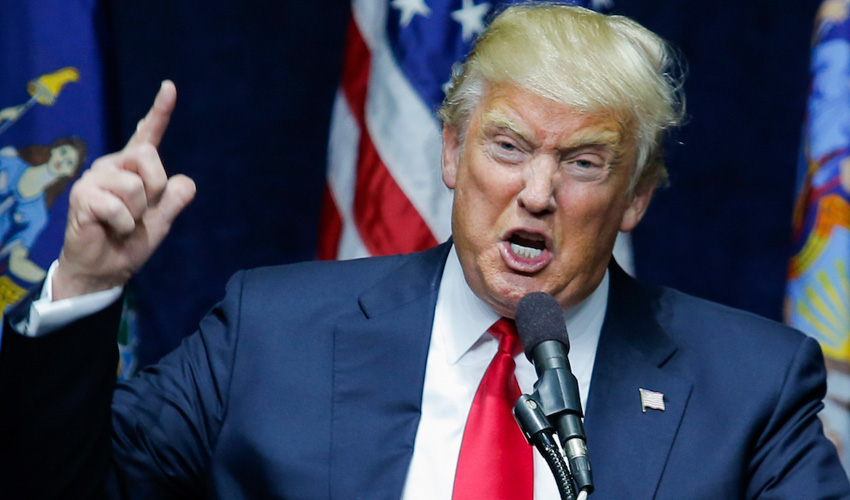
President Donald Trump responded sharply on his Truth Social account, warning that future retaliation would be far harder. Yet when reporters in Washington asked him directly whether the ceasefire was still alive, he said it was — adding that the US had responded to provocation and came out on top.
This all happened just one day after Trump hinted that a deal might be close. Tehran was reportedly reviewing a one-page US proposal that would end the fighting and reopen the Strait — a critical waterway that carries roughly one-fifth of the world’s oil and gas supply.
Adding more fuel to the fire, the Wall Street Journal reported that the White House was looking at reviving a commercial shipping escort operation called “Project Freedom.” Trump had quietly dropped the plan after just one day earlier in the week. The operation had already angered Iran enough to trigger attacks on the United Arab Emirates.
Oil prices, which had dropped around 10 percent over three days, bounced back more than one percent on Friday. But stock markets across Asia pulled back sharply. Seoul, Tokyo, Hong Kong, Sydney, Shanghai, Singapore, Wellington, Taipei, Manila, and Jakarta all closed lower.
Wall Street followed the same pattern. The S&P 500 and Nasdaq slipped from record highs, though analysts noted the pullback was not a surprise given how strongly markets had run up earlier in the week.
Chris Weston from Pepperstone summed it up well — the road to a lasting agreement is far from straight, and traders who had started pricing in smooth shipping through the Strait were now having second thoughts.
The British pound also weakened against the dollar as local elections in the UK raised concerns about Prime Minister Keir Starmer’s political future. The Labour Party is widely expected to take heavy losses, with growing calls for a leadership change.
On the currency front, Japan reportedly spent around $64 billion defending the yen after it slipped close to 160 per dollar on April 30 — its weakest level in nearly two years. By Friday, the yen had recovered to around 157, though Japan’s top currency official stayed tight-lipped on the matter.
Investors are now turning their attention to upcoming US jobs data, looking for clues about how the conflict and rising prices are weighing on the broader economy.
Comments are closed, but trackbacks and pingbacks are open.