
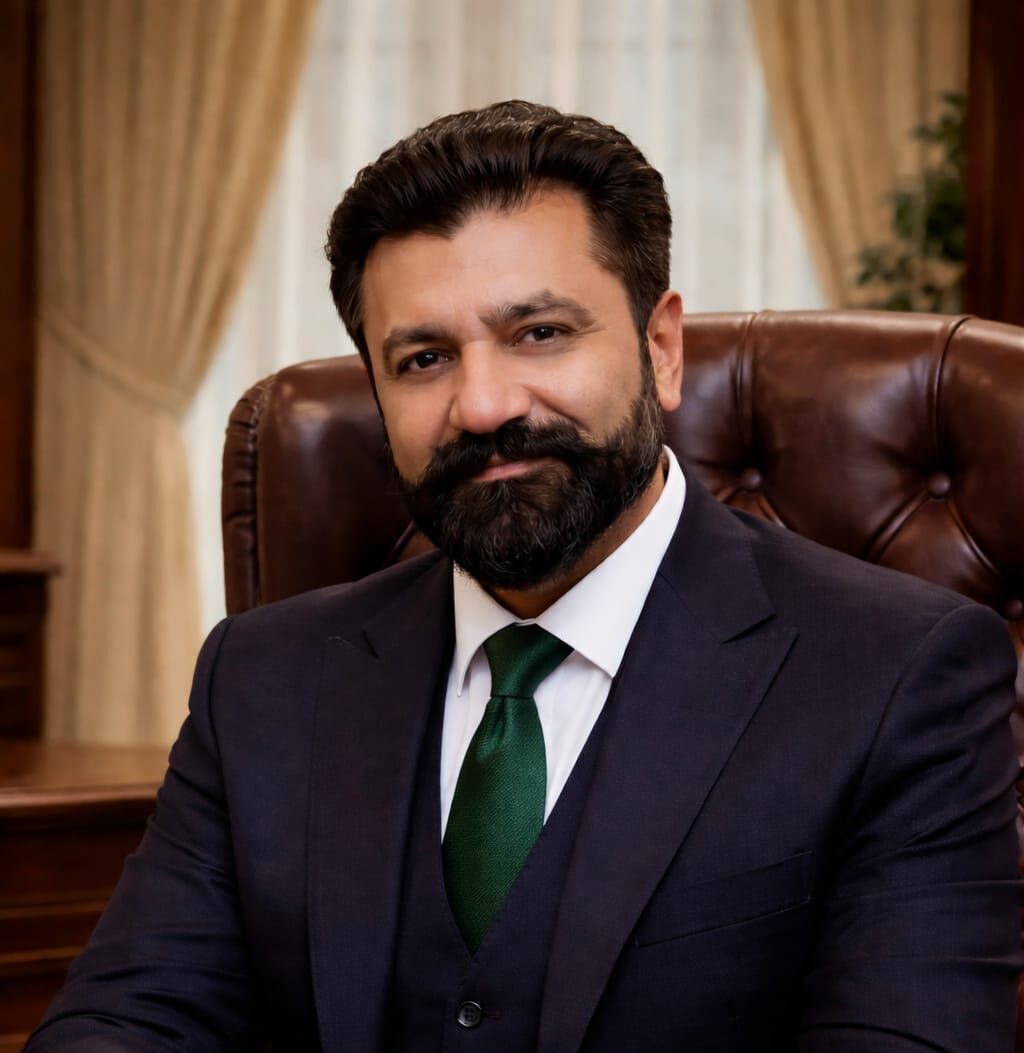
Pakistan’s Extraordinary Diplomatic Breakthroughs
Pakistan's Quiet Diplomatic Revolution: How Islamabad Became the World's Unexpected Peacemaker

By Muhammad Mohsin Khan (Rajput)
The history of global diplomacy bears witnesses to the fact that building trust between states, reducing tensions, and resolving conflicts are typically prolonged, intricate, and gradual processes. In this context, when a country manages to achieve in a remarkably short span what usually demands years of sustained diplomatic effort, it not only reflects the success of its strategic vision but also redefines its role within the international system. In recent weeks, Pakistan’s exceptional diplomatic activism has emerged as a striking example of this reality where swift, multidimensional engagement across multiple conflicts has surprised even seasoned global observers.
Within the complex currents of international politics, tensions between the United States and Iran have long remained a persistent and defining feature. This conflict extends far beyond bilateral hostility, influencing the Middle East, global economic stability, and energy flows. In such a charged environment, any third party attempting to foster trust and de-escalation faces formidable challenges. Yet Pakistan, through a calibrated, prudent, and meaningful diplomatic approach during the recent crisis, not only helped avert potential confrontation but also laid the groundwork for dialogue once deemed nearly impossible.
This progress does not appear accidental; rather, it reflects a coherent and well-synchronized strategy, marked by visible harmony between political leadership and military institutions. Prime Minister Shehbaz Sharif’s political acumen, Chief of Army Staff Field Marshal Asim Munir’s strategic foresight, and Deputy Prime Minister and Foreign Minister Ishaq Dar’s diplomatic finesse collectively formed a triad that integrated various dimensions of state power into an effective foreign policy framework. This alignment underscores a broader reality: modern diplomacy is no longer confined to statements and formal meetings; it demands simultaneous engagement with security, economic, and regional equilibrium considerations.
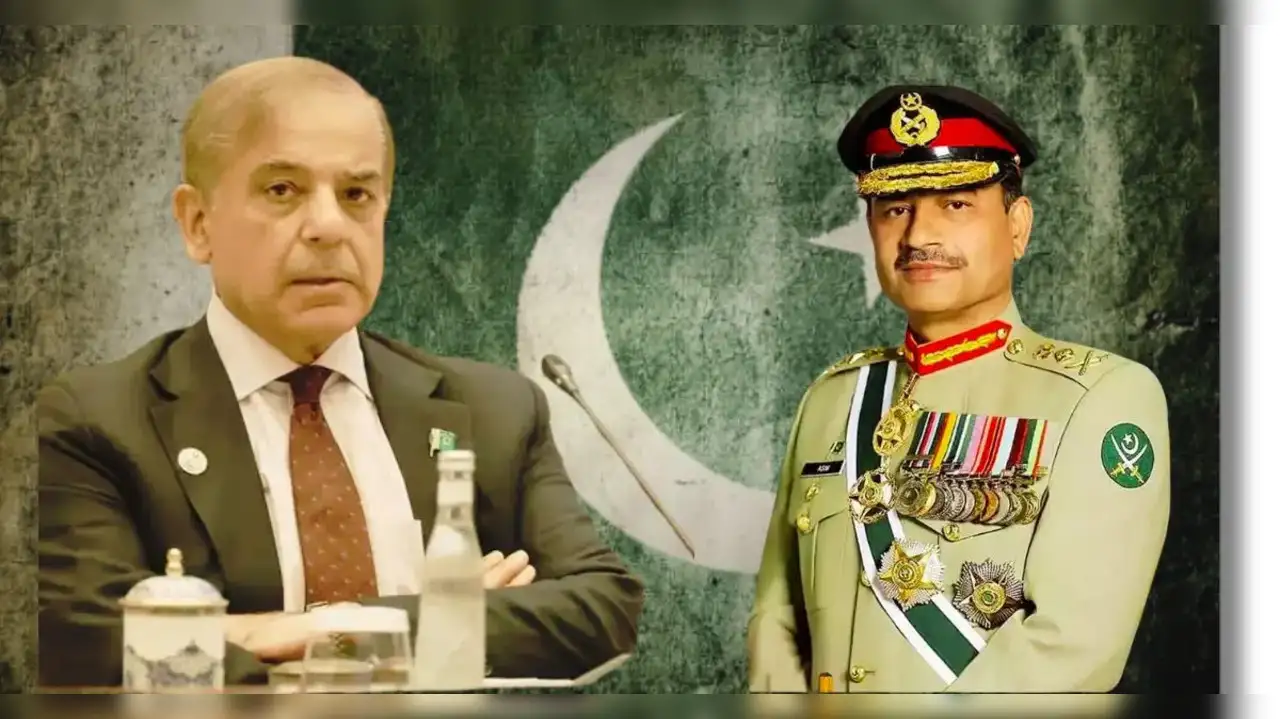
Facilitating a ceasefire between the United States and Iran stands as the pinnacle of Pakistan’s recent diplomatic achievements. This development not only prevented a potentially devastating conflict but also helped ease uncertainty in global markets. Stability in the energy sector, in particular, remains critical, given the Gulf region’s central role in global oil and gas supply. Recognizing this sensitivity, Pakistan maintained continuous engagement not only with Iran but also with Gulf Arab states, thereby reducing the likelihood of a wider regional war.
The hosting of direct talks between the United States and Iran in Islamabad is being regarded as a historic milestone. The resumption of high-level dialogue between the two nations after 1979 represents not merely a diplomatic success but the breaking of a long-standing psychological barrier. It highlights that even deeply entrenched conflicts can witness progress when a neutral and credible mediator is present. In this instance, Pakistan emerged not just as a host, but as a trusted facilitator commanding the confidence of both sides.

Simultaneously, Pakistan’s role in easing rising tensions between Lebanon and Israel has also been of considerable significance. This conflict is inherently complex, interwoven with regional politics, religious sensitivities, and the strategic interests of global powers. In such a volatile environment, any external actor capable of paving the way for a ceasefire demonstrates both diplomatic credibility and neutrality. Pakistan’s quiet and cautious engagement in this arena may not be overtly visible, yet its outcomes are undeniably consequential.
Collectively, these developments signal a transformative shift in Pakistan’s foreign policy orientation. Where once it was perceived as largely reactive, it now exhibits elements of proactivity, mediation, and constructive engagement. This evolution not only reflects enhanced institutional capacity but also contributes to a more positive global perception of Pakistan as a responsible and effective diplomatic actor.
Nevertheless, critical questions remain. Will these achievements prove sustainable? Can Pakistan maintain this diplomatic momentum? And will major global powers acknowledge and further engage with Pakistan’s evolving role? These are questions that only time can answer. In diplomacy, achieving short-term successes is often easier than consolidating them into enduring outcomes.
Furthermore, this external diplomatic dynamism is intrinsically linked to internal stability. No nation can effectively project influence abroad without a strong and stable domestic
foundation. Pakistan must therefore continue to strengthen its economic resilience, political cohesion, and institutional integrity to sustain and expand its diplomatic footprint.
Pakistan UAE Partnership Strengthens Through Economic Humanitarian Cooperation
In conclusion, Pakistan’s recent diplomatic engagements mark a significant milestone. They demonstrate that with strategic clarity, effective leadership, and timely decision-making, even states with limited resources can play a prominent role on the global stage. Pakistan has not only contributed to de-escalating regional conflicts but has also established itself as a responsible, proactive, and credible diplomatic force. If this trajectory continues, it is not inconceivable that Pakistan may emerge as a key contributor to global peace and stability in the years to come.
Comments are closed, but trackbacks and pingbacks are open.