
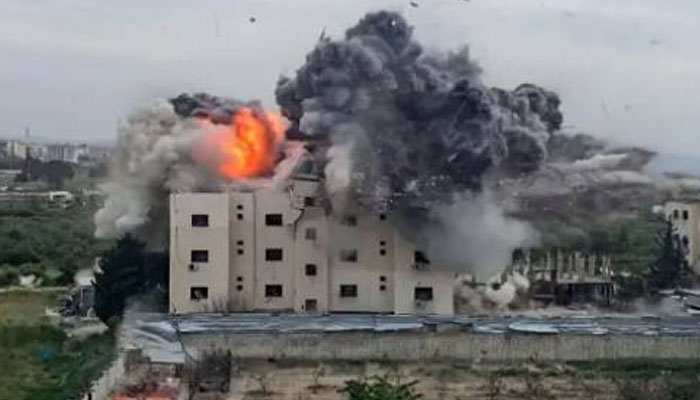
US strikes Iran with new strikes, despite talks to end war
Oil Prices Fluctuate Following Fresh American Military Action Against Iran

Washington: (Web Desk) – American forces carried out strikes on missile facilities in southern Iran and targeted boats allegedly attempting to place naval mines, according to US Central Command. The attacks have raised concerns over the stability of the already delicate ceasefire and increased uncertainty surrounding ongoing diplomatic efforts aimed at ending the Middle East conflict.
The military action occurred while senior Iranian negotiators arrived in Doha for another round of discussions focused on resolving months of regional tensions. At the same time, Israeli operations intensified against Hezbollah positions in southern Lebanon, further escalating fears of a wider confrontation.
Global oil markets reacted sharply to the developments. Traders remain worried that continued tensions could delay the reopening of the Strait of Hormuz, a vital route for international energy shipments that has faced severe disruption due to Iran’s actions.
Central Command spokesperson Tim Hawkins stated that the strikes were conducted in self-defense to safeguard American troops from threats posed by Iranian military activities. He confirmed the targets included missile launch positions and vessels suspected of preparing underwater mines but provided no further operational details.
Trump Urges Saudi Arabia, Qatar, Pakistan to Join Abraham Accords
Despite the escalation, US Secretary of State Marco Rubio said diplomatic negotiations were still progressing. Speaking during a visit to India, Rubio noted that talks in Qatar continued and discussions were focused on refining the language of a potential agreement. However, he emphasized that the Strait of Hormuz must remain open, describing any disruption there as illegal and unacceptable.
Iranian state media reported multiple explosions near Bandar Abbas around midnight local time. Officials said conditions in the port city remained calm while authorities investigated the source of the blasts.
The renewed strikes placed additional pressure on the ceasefire established on April 8, as Washington and Tehran continue negotiations intended to end a conflict that has disrupted global markets and energy supplies.
Oil prices showed volatility following the reports. West Texas Intermediate crude dropped over five percent, while Brent crude prices recorded gains but stayed below the $100 mark.
Tensions also increased after Israeli Prime Minister Benjamin Netanyahu vowed to intensify military operations against Hezbollah following drone attacks on Israeli forces. Tehran has insisted that any broader peace arrangement must also address the conflict involving Lebanon.
Former President Donald Trump added further controversy by calling for Iran’s enriched uranium stockpile to be destroyed or transferred to the United States under international supervision. Trump also pushed for several Middle Eastern nations to join the Abraham Accords as part of a wider regional peace agreement involving Iran.
Although some governments welcomed the normalization agreements signed in 2020, critics across the Middle East continue to oppose them because they do not resolve the Palestinian issue. Gulf countries including Saudi Arabia and Qatar maintain that formal ties with Israel depend on the establishment of an independent Palestinian state.
Analysts believe Gulf nations are unlikely to support Trump’s broader demands amid growing regional instability. Iranian officials meanwhile said progress had been achieved in negotiations but cautioned that a final agreement was not yet close.
Comments are closed, but trackbacks and pingbacks are open.